
Invisalign in Your 40s: What Dads Should Know Before Starting
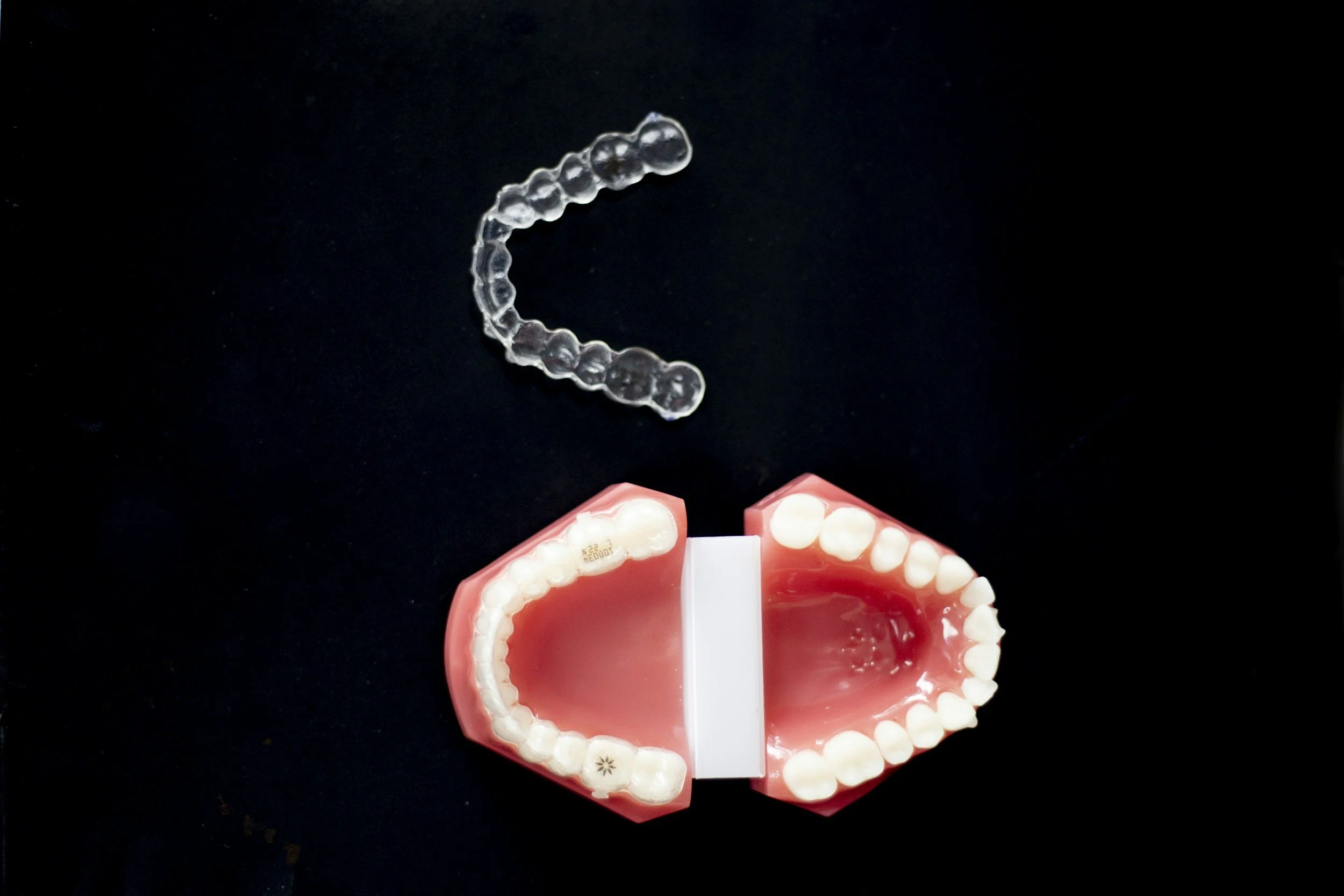
Invisalign works well in your 40s, and age itself isn't a barrier to straightening your teeth. What matters is that your gums and bone are healthy, that any existing dental work such as crowns or implants is taken into account, and that you can realistically wear the aligners for 20 to 22 hours a day. Most adult cases take somewhere between 6 and 18 months, depending on how much movement is needed.
The bigger challenge for most dads isn't clinical, it's practical. Aligners have to come out every time you eat or drink anything other than water, and they need cleaning, as do your teeth, before they go back in. Fitting that routine around work, school runs, business lunches and weekend sport is what decides whether treatment runs to plan or drags on for months longer than it should.
Why More Men Are Straightening Their Teeth in Their 40s
Teeth don't stay still as we age. Front teeth, particularly in the lower jaw, tend to drift and crowd gradually over the years, even in people who had perfectly straight teeth at 20. Many men who had braces as teenagers but stopped wearing their retainers notice their teeth creeping back towards their original position by their late thirties or forties.
There are functional reasons too. Crowded or overlapping teeth are harder to clean, which can make gum problems more likely, and a misaligned bite can cause uneven wear, chipping or jaw discomfort. For some patients, straightening the teeth is a first step before other treatment, such as replacing old crowns or restoring worn edges.
Then there's the personal side. Many dads say they finally started once their own children began orthodontic treatment, or after seeing themselves in family photos and realising they'd been hiding their smile for years. Clear aligners make that decision easier, because they're far less noticeable in meetings and on video calls than fixed braces.
What Your Dentist Needs to Check Before You Start
The most important check is gum health. By your 40s, some degree of gum inflammation or early bone loss is common, and moving teeth through unhealthy gums can make the problem worse. A good assessment includes measuring the gum pockets around each tooth and, where needed, taking X-rays to look at the bone. If there's active gum disease, it's treated first, and aligner treatment starts only once things are stable.
Existing dental work also changes the plan. Implants can't be moved at all, as they're fused to the bone, so the treatment has to work around them. Crowns and bridges can affect how well the small tooth-coloured attachments bond, and a fixed bridge links teeth together so they can't move independently. Large old fillings, worn teeth and any history of grinding should all be discussed, as they influence both the aligner plan and what comes after.
This is why it pays to be assessed by a team that looks at your whole mouth rather than just the alignment. Visiting a central London dental studio or another practice that combines orthodontic planning with general and cosmetic dentistry means gum health, old restorations and your bite can all be considered in one plan. A 3D digital scan then lets you see a simulation of the expected result before you commit. In London, adult aligner treatment typically costs somewhere between £3,000 and £6,000, depending on the complexity of the case.
How Aligners Fit Into a Busy Family and Work Life
The 20 to 22 hours a day rule is the one that matters most. Every hour the aligners spend in a case instead of in your mouth slows the tooth movement down, and regularly falling short can mean extra aligners and a longer treatment. In practice, that means taking them out only to eat, drink anything other than water, and clean your teeth.
Coffee is often the first habit that needs adjusting. Drinking coffee, tea, wine or beer with aligners in can stain them and trap sugar or acid against your teeth. Many adults switch to drinking coffee in one sitting rather than sipping all morning, or simply take the aligners out for a coffee break and rinse before putting them back in. Grazing on snacks through the day becomes difficult, which some dads find helps their waistline as much as their teeth.
Keep a small kit with you: an aligner case, a travel toothbrush and toothpaste. Business lunches and family meals out are easy once you get used to excusing yourself for a minute afterwards. If you play contact sports such as rugby or football, take the aligners out and wear a proper mouthguard, then put them back in as soon as you've finished.
Comfort, Speech and the First Few Weeks
Most people feel pressure or mild soreness for a day or two after switching to each new set of aligners, typically every one or two weeks. It's a sign the teeth are moving, and it usually settles quickly. Changing to a new set just before bed helps many patients sleep through the most noticeable part.
A slight lisp is common in the first few days, especially on "s" sounds. Reading aloud at home or talking more than usual speeds up the adjustment, and most people sound completely normal within a week. For anyone who presents, teaches or spends a lot of time on calls, starting treatment at the beginning of a quieter week can make those first days easier.
Some treatment plans include small attachments bonded to certain teeth to help the aligners grip, and in crowded cases, a small amount of enamel may be smoothed between teeth to create space. Both are routine and painless, but they're worth asking about during your consultation so nothing comes as a surprise.
Results, Retainers and Keeping Your Teeth Straight
When treatment finishes, the teeth will want to drift back, just as they did before. Retainers are what keep the result. Most dentists recommend wearing a removable retainer at night for the long term, and some also fit a thin wire bonded behind the front teeth. This isn't optional, and adults who skip retainers are the ones who find themselves back in treatment a few years later.
Straight teeth also tend to be easier to keep healthy. Brushing and flossing reach every surface more easily, which makes it simpler to control plaque and protect your gums as you get older. For some patients, finishing aligner treatment is also the right time to consider whitening or replacing worn old fillings, since the teeth are now in their final position.
If you're weighing it up, start with a proper check-up and gum assessment rather than an aligner quote. Knowing that your gums are healthy and your existing dental work has been accounted for makes the whole process smoother, and it gives you a clear picture of how long treatment will realistically take alongside everything else going on in your life.
