
The Dad Body Problem Nobody Warns You About: Carrying
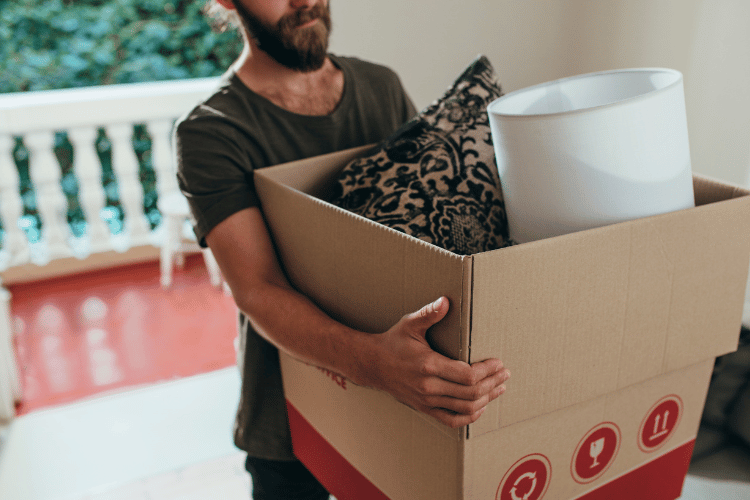
The fitness conversation for dads usually comes down to weight, cardio, and finding time for the gym. Fair enough. But the thing that actually wrecks most fathers physically isn't a missed workout. It's the carrying: a toddler on one hip while you do something else with the other hand, a car seat swung out at arm's length, which is about the worst possible loaded position for your lower back, and twenty minutes hunched at a coffee table doing a jigsaw designed for someone thirty inches tall.
None of it looks like exercise; it's all load, and unlike a workout, there's no deload week.
Why Parenting Load Behaves Differently from Training Load
When you lift in a gym, the load is symmetrical, planned, and followed by rest. Parenting load is none of those things.
It's asymmetrical, because you carry on your dominant side until that side complains. It's unpredictable, so you can't program around it. And it's constant, so the tissue never gets a proper break. That combination is what produces the classic pattern most fathers of small children recognize: a lower back that grumbles, a stiff neck, and one shoulder noticeably worse than the other.
The answer isn't to stop picking your kids up. It's to stop treating the load as if it doesn't count.
Four Changes That Cost Nothing
Switch Sides Deliberately: You have a default hip. Use the other one half the time, even though it feels wrong at first.
Get Closer to the Car Seat: The damage comes from the lever arm, not the weight. Put a knee on the seat and bring the load in rather than reaching across.
Squat to the Floor Rather than Bending to It: You'll do this fifty times a day. Fifty good reps beat fifty bad ones.
Break Up the Low-Table Sessions: Stand and move every ten minutes rather than unfolding yourself after forty.
None of that requires time you don't have, which is the point. Most dad-fitness advice fails because it assumes a spare hour.
The Case for Actually Treating Soreness
There's a strand of dad culture that treats discomfort as something to absorb quietly, and it's a bad strategy. Persistent low-grade soreness affects your sleep, and poor sleep makes you a worse athlete, a worse worker, and a considerably worse parent.
Treating it is not indulgent. It's maintenance on the only body you're going to get.
The useful interventions are unglamorous: heat before mobility work rather than after, ten minutes of actual stretching on the days it's bad, and enough sleep for the tissue to repair. Massage helps too, and while a monthly appointment isn't realistic for most parents, doing it yourself at home for five minutes is.
That's where a decent body oil earns its place, mostly because it makes you more likely to do it. Working oil into a tight shoulder or forearm for a few minutes after the kids are down is a low enough barrier that it survives a busy week. If you look at cypresshemp you'll find their body and massage oil is built on USDA organic oils, with hemp heart oil and jojoba as the base and rosehip in the blend, which is a more considered ingredient list than most of what sits on a pharmacy shelf.
Be realistic about what a topical is doing, though. It isn't repairing tissue. What it offers is a comfortable ten minutes of self-massage, and comfort at the end of a hard day has value on its own terms.
Strength Training Is the Long-Term Answer
Everything above manages the symptom. The thing that actually changes the picture is being stronger than the load.
You don't need a complicated program. Two sessions a week covering a hinge, a squat, a push, a pull, and something for your grip will do more for your ability to carry a child without consequence than any amount of stretching. The hinge pattern matters most, because that's the movement you're doing badly fifty times a day at the car.
If you can only manage one thing, make it deadlifting or its equivalent, done properly and not heavy. The point isn't the number. It's teaching your body a hip pattern strong enough to survive being repeated under a toddler.
Conclusion: The Realistic Version
Most dads reading this won't add three gym sessions a week. So here's the version that survives contact with actual life: Carry on both sides, squat to the floor, and get close to the car seat. Two short strength sessions when you can, and five minutes of working out a tight shoulder in the evening when you can't.
That's it. It's not a program; it's a set of defaults, and defaults are the only thing that holds when the week goes sideways.
These statements have not been evaluated by the Food and Drug Administration. These products are not intended to diagnose, treat, cure or prevent any disease. Hemp products are for adults 21 and over.
