
The Kindergarten Cutoff: Why the Same Child Starts School at Different Ages
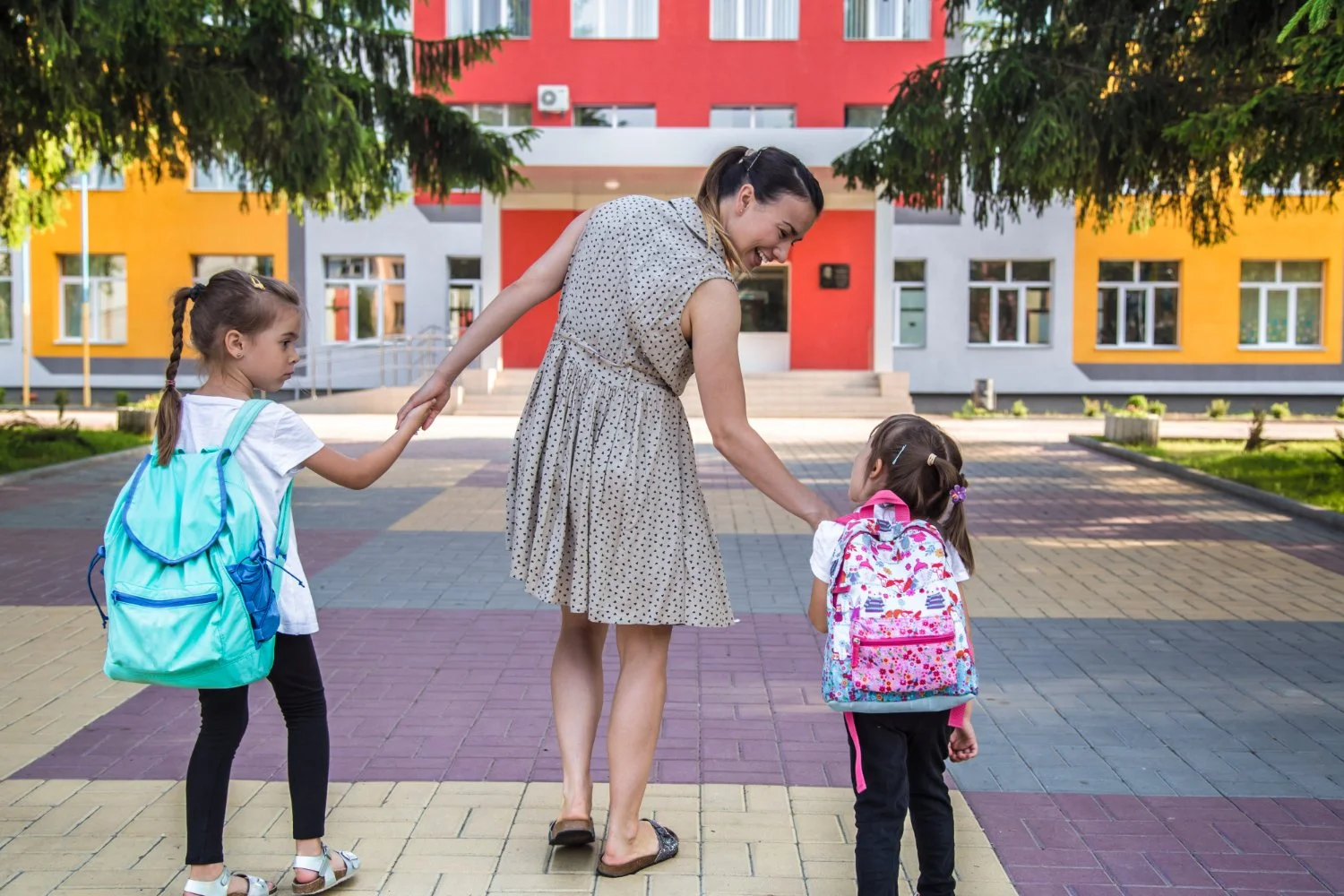
Your child's birthday determines when they start school. That feels like a fact of nature until you look at how other countries handle it.
Move a family across a border and the same five-year-old can land a full year apart in the system, sitting either at the top of one cohort or the bottom of the next.
That is worth understanding whether or not you are moving anywhere, because it exposes something uncomfortable about how we decide a child is ready.
The Cutoff Is an Administrative Convenience
Most US districts draw the line somewhere around the start of September, though the exact date varies by state and some sit weeks either side of it.
Whatever the date, it is a scheduling decision rather than a developmental finding. Nothing changes inside a child between 31 August and 1 September, but the system treats those two birthdays as belonging to different years of schooling.
That is not a criticism. Schools have to group children somehow, and age is the cleanest available proxy. The problem is that the proxy gets mistaken for the thing it stands in for.
Three Countries, Three Answers
Look at how differently the line gets drawn.
Australian schools in Queensland work to a 30 June cutoff, where a child turning five by that date becomes eligible for Prep in that year, with compulsory schooling starting at six years and six months. That is a full quarter away from the typical US line.
International schools frequently run different calendars again. The published year-level guide at the Australian International School in Singapore places Prep and Kindergarten at kindergarten age five to six, working to a birth-date window running from 1 May to 30 April.
Line those three systems up and a child born in June sits in a different cohort in each. Same child, same development, three different answers about which year they belong in.
Class size shifts with the year level too, which is worth noting alongside the age bands. That same Singapore guide lists a ratio of one teacher to twelve children through Prep and the first two grades, widening considerably from Grade 3 onward.
The practical point is that the year label tells you less than parents assume. Two schools can place the same child in the same nominal grade while offering quite different daily experiences of it.
Readiness and Age Are Not the Same Measurement
Here is where the cutoff conversation usually goes wrong. Parents treat the date as a verdict on readiness when it measures nothing of the kind.
Readiness is about the whole child, and a solid readiness guide will tell you that social and emotional skills, language, physical coordination and self-help habits matter considerably more than knowing letters and numbers early.
None of that correlates neatly with a birth date. A child who turns five in October may be more prepared than one who turned five in March, and a cutoff cannot see the difference.
The Relative Age Effect Is Real
There is a body of research on what happens to the youngest children in any cohort, and it is worth knowing before you decide anything.
Children who are among the youngest in their year tend to be at a measurable disadvantage in the early grades, simply because they are competing against classmates up to twelve months older in developmental terms. That gap usually narrows as children get older.
The complication is that early disadvantage can become self-reinforcing if a child is labelled as struggling when they are actually just younger. This is the reasoning behind redshirting, where parents hold a child back a year, and it is a genuine consideration rather than pushy parenting.
What Changes When You Relocate
If a move is on the horizon, the arithmetic changes and it is worth doing early rather than on arrival.
A child moving mid-primary may find their new school places them a year differently, either repeating content or skipping ahead. Reputable schools handle this through a placement assessment rather than by date alone, weighing age against previous schooling, curriculum background and individual readiness.
The grade labels themselves also stop matching. Grade 5 in an American system, Year 6 in a British one and Primary 5 locally can all describe roughly the same age band, which is why schools publishing conversion tables save families a great deal of confusion.
Structure varies too. An international school HK families might consider, such as Stamford American School Hong Kong, splits its provision across two campuses, with pre-primary through Grade 8 at one site and high school at another, so the transition points sit in different places from a single-campus school.
What to Actually Do
Look at where your child falls within the cohort rather than just whether they qualify. Being three weeks inside a cutoff is a very different situation from being ten months inside it.
Assess the specific child in front of you against the readiness markers that matter, meaning whether they can separate from you, follow multi-step instructions, manage their own bathroom needs and cope with a full day of structure.
If you are moving, ask the receiving school how they place children and whether they assess individually. Ask it before you accept the posting, not after.
Conclusion
The cutoff date is a filing system, not a measurement of your child.
Different countries draw the line months apart, which is the clearest evidence there is that no single date carries any developmental authority. What matters is the gap between where your child actually is and what the classroom will ask of them.
Watch the child, use the date as information rather than instruction, and ask questions of anyone who treats a birthday as the whole answer.
FAQ
1. What is the kindergarten cutoff date?
It is the date by which a child must reach a given age to enrol in that school year. Most US states set it around the start of September, but it varies by state and differs considerably in other countries.
2. Should I hold my child back if they are young for their year?
It depends on the individual child rather than the birth date. Consider social and emotional readiness, language, coordination and independence, and speak with an early years educator who can assess your child directly.
3. Will my child change grades if we move abroad?
Possibly. Different countries use different cutoffs and different grade naming, so placement may shift by a year in either direction. Schools that assess individually rather than by date alone tend to handle this better.
4. What actually matters most for kindergarten readiness?
Social and emotional skills, language, physical coordination and self-help habits generally matter more than early academic knowledge. Being able to separate from a parent, follow instructions and manage a full day of structure predicts a smoother start than knowing letters early.
