
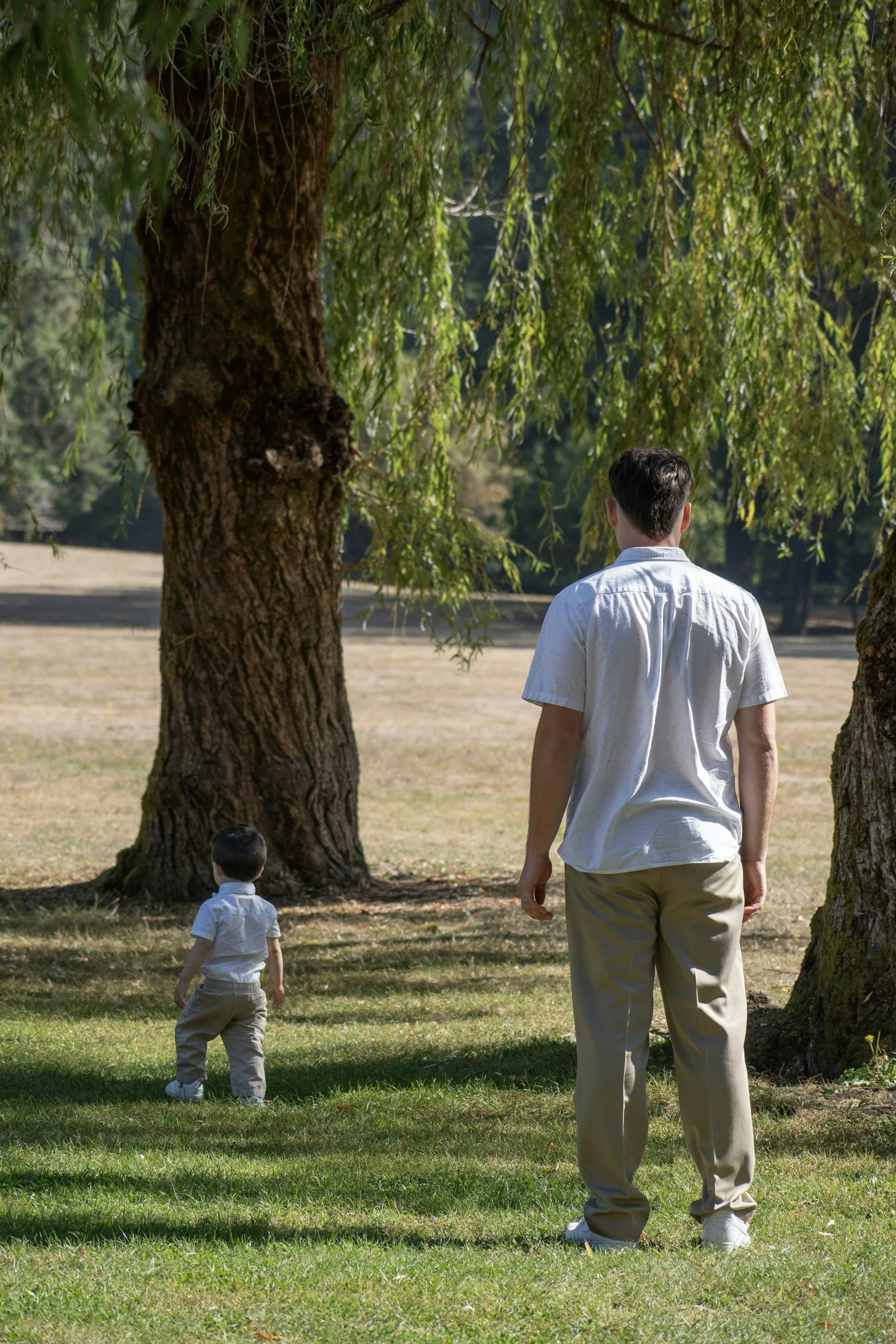
The best outdoor hobby for your child is one they want to try again, not the one that looks most impressive on a calendar. After all, a child who dislikes organized sports, for example, might happily spend an hour spotting birds, tending tomatoes, or searching for buried objects.
Finding the right fit takes a little experimenting. Instead of buying equipment and hoping enthusiasm follows, give your child chances to explore, notice what holds their attention, and build from there.
Different Types of Outdoor Hobbies
Different hobbies give children different reasons to head outside. For instance, hiking can become a search for animal tracks, while birdwatching can give curious kids a chance to recognize calls and notice familiar visitors.
And nature photography or sketching lets them capture what catches their attention without needing to cover much ground.
Gardening offers something to return to between outings, whether your child grows flowers in a pot or tends a small vegetable patch. Let them choose what to plant and take responsibility for a manageable task, such as checking the soil or watering.
Children who enjoy making things might also like building simple shelters from fallen branches.
Cycling, swimming, and skateboarding may appeal to children who prefer movement to observation. Start with an achievable activity, such as riding a short loop or practicing one skateboarding skill, rather than focusing on speed or distance.
Geocaching is another option. It combines walking with following clues, giving children a destination and a puzzle to solve along the way.
Metal detecting is another fun hobby that combines being outdoors with an activity that involves discovery and excitement. Children can learn to investigate signals and identify their finds.
When you go to buy metal detectors, you’ll be able to choose from beginner kits to professional gold machines, each designed for different purposes and locations.
You can use an online metal detector finder to match a detector to what you want to hunt, where you intend to hunt, and the budget you have.
Which outdoor hobby will be best suited to your child depends on your specific kid, of course. If you want them to select a hobby they’ll stick with, here are the steps you should take.
Let Your Child Have Their Say
The Canadian Paediatric Society emphasizes the value of child-directed outdoor play. You should leave room for children to decide what interests them instead of directing every moment.
So, start with what your child already enjoys rather than what you wish they enjoyed. A dinosaur fan might like examining rocks, while a child who loves drawing could enjoy keeping a nature journal.
Offer a small choice instead of an overwhelming question. Asking whether they would rather photograph insects or try a short bike ride gives them something concrete to consider.
Let their response shape the next outing, too. If your planned walk becomes twenty minutes watching ants, treat that curiosity as useful information rather than a ruined itinerary.
Try Short Sessions Before Buying Equipment
Give a new hobby a trial period with the simplest workable setup. Keep the first outing short enough to leave room for another attempt. Twenty enjoyable minutes can tell you more about genuine interest than an afternoon spent persuading a tired child to continue.
Afterward, ask what they liked, what frustrated them, and whether they want another go. Avoid treating one difficult session as a final verdict, especially if hunger, uncomfortable shoes, or confusing instructions got in the way.
Buy more specialized equipment when your child can explain what they want to do next. A purchase then supports an existing interest rather than carrying the burden of creating one.
Assist Them in Selecting a Hobby They Can Regularly Do
According to a poll from C S Mott Children’s Hospital, nearly 1 in 10 parents of children ages 1 to 5 said their child played outdoors once a week or less. If your family struggles to get outside regularly, start with a small opportunity close to home rather than an elaborate excursion.
Choose a version of the activity that fits ordinary family life. A hobby that requires a long drive and extensive preparation may be harder to repeat than one your child can enjoy nearby.
Match the Challenge to Your Child
Choose a starting point that allows your child to do something meaningful without needing constant rescue. A beginner gardener can care for one pot, and a new birdwatcher can learn to recognize a few familiar birds, for example.
Break bigger skills into smaller steps. A child learning to fish might first practice casting before managing several unfamiliar tasks beside the water.
Watch how your child responds when something goes wrong. Offer help when needed, but ask whether they want a hint, a demonstration, or another attempt before stepping in.
Keep essential safety boundaries clear while allowing choices within them. Parents can decide where an activity is appropriate while children choose which trail to follow or what subject to photograph.
Adjust the Routine Before Giving Up
When enthusiasm fades, ask what has changed before assuming the hobby has failed. Your child might still enjoy the activity but dislike the location, pace, equipment, or pressure surrounding it.
Try changing one part of the experience. Invite a friend, choose a different setting, shorten the session, or let your child plan the next outing.
Allow breaks without turning them into a test of commitment. You can offer another opportunity later without demanding a promise that they will continue.
If they remain uninterested after several relaxed attempts, make room for another option. The goal is to help your child find an activity they enjoy, not prove that your first suggestion was correct.
Keeping the Next Outing Worth Looking Forward to
Helping your child choose an outdoor hobby means paying attention to their interests and making participation manageable. Start small, offer real choices, and adjust the experience as you learn what works. You do not need to settle on a lifelong passion right away.
Has this article been helpful? In that case, explore some of our related posts!
