
How to Introduce Your Kids to Fishing
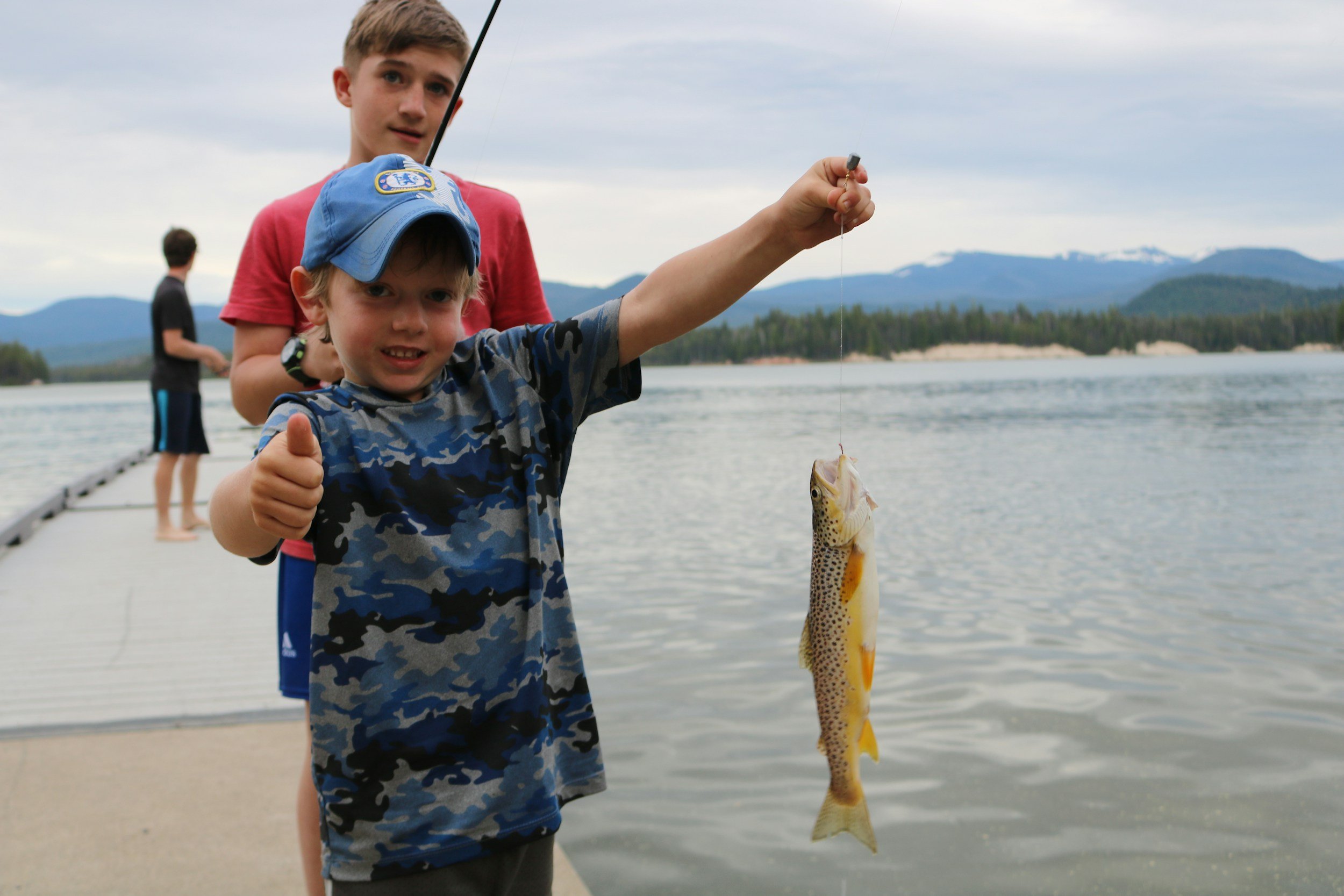
Fishing is a great way for families to spend time together outdoors. For many people, it's a special tradition. Imagine a peaceful lake, the joy of catching your first fish, and sharing stories by a campfire. These experiences create lasting memories and teach kids important skills like patience, responsibility, and an appreciation for nature. Getting your kids involved in fishing can also spark their sense of adventure and curiosity about the world around them.
Fishing has many joys, from the excitement of casting a line to the thrill of feeling a tug. The good news is you can easily make your kids' first fishing trip fun.
Choosing the Right Gear
Choosing the right gear is key to a successful fishing trip with your kids. Depending on their ages and interests, start with light spinning rods or simple kids' fishing poles. These options make casting easy and enjoyable.
Use fun lures or live bait to make the experience exciting. As your kids become more comfortable, you can gradually teach them about different tackle types and fishing techniques.
Fly Fishing Reels
Fly fishing is another great option to introduce to your kids. Fly fishing reels make casting feel easy and fun, helping kids connect with the water and experience the thrill of catching fish in a new way.
Fly fishing lets you fish in different locations and target different species, making it a great choice for family trips. Kids can learn about different flies and the fish they attract, adding an educational aspect to the fun. The pride they feel when they catch a fish will inspire their love for fishing.
Fly Fishing Rods
Choosing the right fly fishing rods is important for your kids' enjoyment. Fly fishing rods come in different lengths and weights, but shorter models are usually easier for younger kids to handle. Many brands offer youth fly rods that are easy to find and suited to their size and strength.
These rods are often made from lightweight materials, making them easier to use and allowing kids to focus on their technique. They will learn how to present the fly on the water's surface, a skill that can be both challenging and rewarding. Watching them master their cast and get more involved in fishing is a joy.
Scenic Locations
Choosing the right place to fish makes your outing more fun. Look for family-friendly spots like ponds, lakes, or rivers with lots of fish. Many parks and nature reserves have well-stocked waters, which means you can catch plenty of fish and have a great time.
Involve your kids in planning the trip. Ask them where they want to go or what fish they want to catch. This helps them feel included and gives them a sense of ownership over the trip. Being in beautiful places also helps them appreciate nature.
Teaching Patience and Responsibility
Fishing is a great way to teach kids important life skills. Patience is essential; they will learn that waiting is part of the experience. In our fast-paced world, fishing encourages kids to enjoy the moment. Each cast can bring excitement, whether they catch their first fish or simply enjoy the calm by the water.
It's also important to teach them responsibility. Show them how to care for their gear, keep the area clean, and follow local fishing rules. Talk about catch-and-release practices so they understand conservation and why it matters for future anglers.
Creating Lasting Memories
The main goal of taking your kids fishing is to create memories they will treasure. Each trip can be an adventure filled with laughter, learning, and bonding. Take photos or keep a fishing diary to track their experiences and progress.
When you talk about the day, let the kids share their stories. This boosts their pride and sense of achievement. As they gain confidence and skills, they may want to explore more outdoor activities together, like hiking and camping. Introducing your kids to fishing is about the journey you share. From building skills to having fun in the sun, the chances for shared experiences are endless. Fishing teaches more than just catching fish. It builds a love for nature and strengthens connections that can last a lifetime.
