
Why Your Backyard Goes Unused—and How to Turn It Into a Space Your Family Actually Enjoys
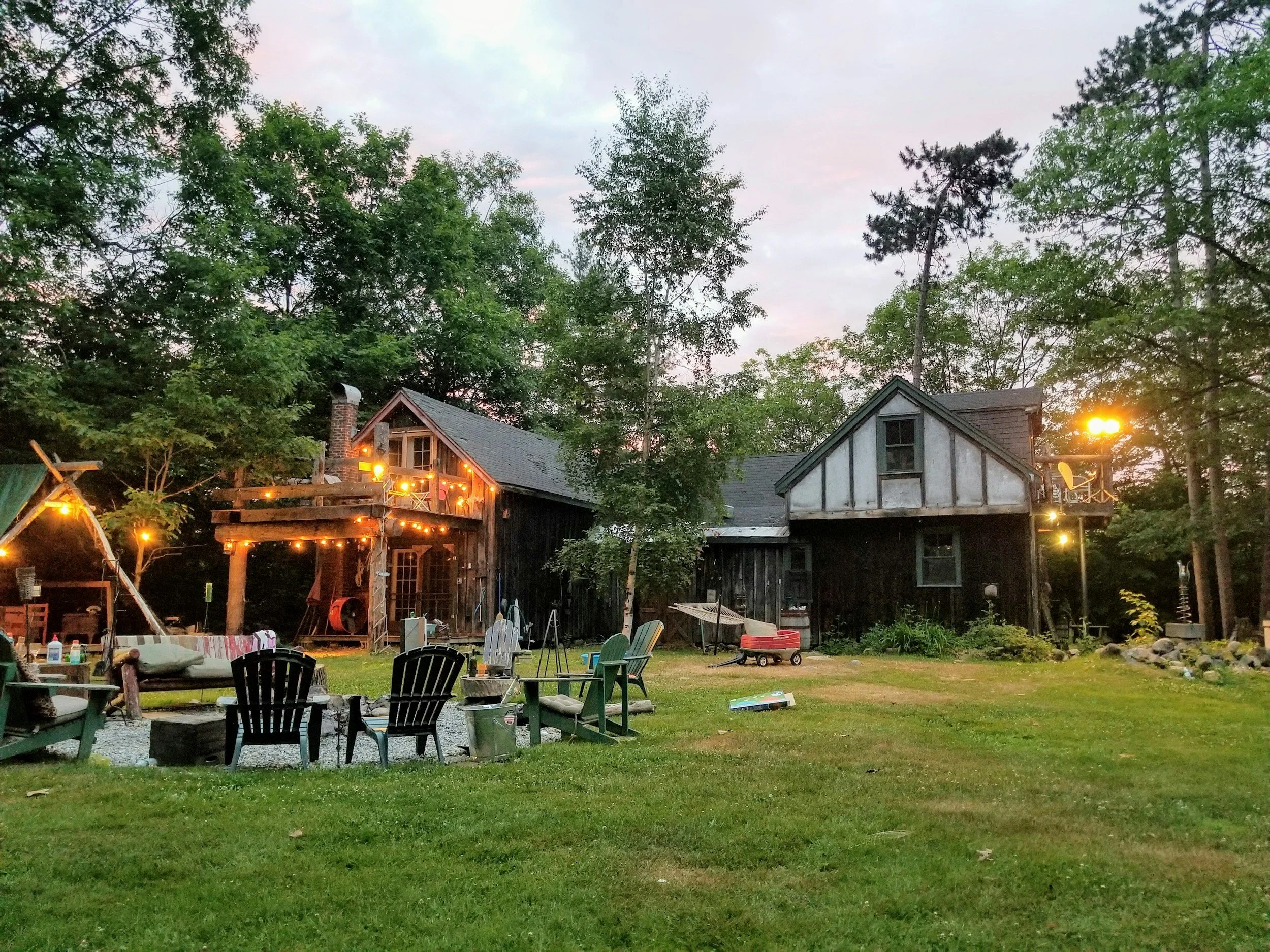
A backyard can look beautiful in photographs and still sit empty for most of the year. The patio furniture is there, the lawn is freshly cut, and the garden looks inviting, yet everyone gravitates back indoors. For busy families, this can feel like a missed opportunity to enjoy fresh air, spend quality time together, and take a break from the demands of everyday life.
The problem is not always a lack of space. Sometimes, the outdoor area simply does not fit the way the household lives. Seating might be uncomfortable, the afternoon sun may make the yard unbearable, or there may be no convenient place for children to play while adults relax nearby.
The good news is that making a backyard more inviting does not necessarily require a complete renovation. A few thoughtful decisions about layout, comfort, and everyday routines can transform an underused outdoor area into a practical extension of the home.
Start With How Your Family Actually Uses the Space
Before buying furniture or planning a renovation, consider what you want to do outside. A backyard designed around occasional entertaining will look different from one intended for weekday dinners, children's play, or quiet mornings with a cup of coffee.
Think about an ordinary day rather than an idealized weekend. Would you use the space to eat breakfast outside? Would it help to have a comfortable place to sit while the children play? Could it become a screen-free spot for reading, conversation, or simply getting some fresh air after work?
These questions help establish priorities before money is spent. A family that eats outdoors regularly might benefit more from a properly sized dining area than from an elaborate decorative feature. Someone who wants a peaceful retreat may prefer two comfortable chairs and some shade rather than a large entertainment setup.
For homeowners considering a raised or ground-level deck, a conversation with a Columbus deck builder can help translate these everyday needs into practical decisions about dimensions, access, railings, and the relationship between the deck and the house.
The objective is not to create the most impressive backyard on the street. It is to make being outside convenient enough that people naturally choose to spend time there.
Make Comfort a Priority, Not an Afterthought
One of the simplest reasons people avoid their backyards is discomfort. A seating area that receives intense afternoon sunlight, gets soaked after every rain shower, or has no comfortable place to put a drink is unlikely to become a favorite destination.
Shade is often a sensible starting point. Depending on the yard, a shade sail, umbrella, pergola, or strategically placed tree can make an outdoor seating area more comfortable. Consider the direction of the sun throughout the day before deciding where the main seating area should go.
Furniture matters just as much. Outdoor chairs should be comfortable enough for a conversation that lasts longer than a few minutes, while tables should suit the number of people who will use them most often. Weather-resistant cushions and furniture that can be cleaned easily can also make regular use less of a chore.
Privacy can influence comfort, too. Neighbors, nearby roads, or a lack of separation from the rest of the yard may make an otherwise attractive area feel exposed. Plants, trellises, or thoughtfully positioned screens can create a greater sense of enclosure without making the space feel closed off.
These improvements do not need to happen all at once. Addressing the biggest source of discomfort first is often more effective than purchasing several decorative items that do little to improve how the space feels.
Design a Deck That Connects Indoor and Outdoor Living
A deck can make a backyard more usable by creating a defined area for dining, relaxing, or spending time with family. However, its usefulness depends on more than its appearance.
Think about how people will move between the house and the yard. If the deck is intended for meals, convenient access to the kitchen can make carrying food and drinks easier. If children will move between indoor activities and outdoor play, the layout should allow adults to supervise comfortably while keeping circulation paths clear.
Size deserves careful consideration. A deck that is too small may feel crowded once chairs are pulled out and people gather around a table. An unnecessarily large structure, on the other hand, may consume valuable yard space without providing additional everyday benefits.
Before choosing dimensions, sketch out the furniture you expect to use and allow enough room for people to walk around it. Consider doors, steps, railings, changes in elevation, and access to the lawn. These details often determine whether the finished space feels natural to use.
Material selection is another important decision. Wood and composite decking have different costs, appearances, maintenance requirements, and long-term considerations. The right choice depends on the household's budget, preferred aesthetic, willingness to perform upkeep, and expectations for how the deck will age.
Homeowners in central Ohio should also consider seasonal temperature changes, moisture, drainage, and the way the site is exposed to sun and shade. A qualified professional can help assess the property's conditions and explain which construction details and materials are appropriate for the project.
Create Space for Both Activity and Relaxation
Family-friendly outdoor design works best when it accommodates different activities without making the yard feel cluttered.
Children may need room to play, explore, or use outdoor toys, while adults may want somewhere to sit and talk. These needs can coexist if the layout provides clear zones and leaves enough open space between them.
For example, a dining area beside the house can provide a convenient gathering point, while a lawn or open section of the yard remains available for play. A small seating corner farther from the busiest area may offer a quieter place to read or unwind.
You do not necessarily need separate furniture or elaborate landscaping for every activity. Flexible spaces tend to work well for busy households because they can change throughout the day. A table can support family meals, weekend games, and children's creative projects, while movable chairs make it easier to adapt the layout for visitors.
Lighting can also extend the usefulness of an outdoor area into the evening. Appropriately installed outdoor fixtures can illuminate steps, entrances, and seating areas while creating a more comfortable atmosphere. Electrical work and any structural changes should be handled with the appropriate professional guidance.
The key is to leave enough room for the household to use the space in different ways rather than filling every available corner with features.
Choose Improvements You Can Maintain Realistically
A backyard should make life more enjoyable, not create a long list of additional responsibilities.
When selecting plants, furniture, decking, or other features, think about the time and effort each will require. Some landscaping needs regular pruning and watering, while other options may require less frequent attention once established. Outdoor fabrics, grills, and furniture may need seasonal cleaning or storage.
Decking materials deserve the same practical assessment. Natural wood can offer a classic appearance, but maintenance needs vary by species, finish, exposure, and local conditions. Composite products may reduce certain upkeep tasks, although they still need cleaning and should be evaluated for their specific care instructions and performance characteristics.
Be cautious of any design described as completely maintenance-free. Outdoor materials remain exposed to weather, dirt, moisture, and normal wear. Understanding the actual care requirements before committing to a project makes it easier to choose something that fits your lifestyle.
It is also worth separating essential improvements from optional extras. Better drainage, sound construction, comfortable seating, and safe access may contribute more to everyday enjoyment than expensive decorative additions.
Make the First Improvement a Small One
If your backyard currently goes unused, resist the temptation to redesign everything immediately. Start by identifying the one obstacle that most often keeps you indoors.
If there is nowhere comfortable to sit, improve the seating. If the area becomes too hot, investigate shade. If the yard feels disconnected from the house, reconsider the route between indoor and outdoor spaces. If an aging deck has visible damage or feels unstable, arrange a professional assessment before continuing to use it.
For larger projects, compare written estimates, ask about materials and maintenance, and clarify what is included in the proposed work. Resources such as Remodeling Nation can provide a starting point for homeowners researching home improvement projects and exploring their options.
A well-designed outdoor space does not have to be elaborate. It needs to be comfortable, accessible, and suited to the routines of the people who live there.
When the layout supports everyday life, the backyard stops being an area that looks good from the window and becomes a place the family genuinely wants to use. Sometimes, the most valuable home improvement is simply making it easier to step outside, slow down, and enjoy the time you already have together.
