
Building a Health-First Mindset: Where Diagnostic Imaging Fits In
This is a contributed post.
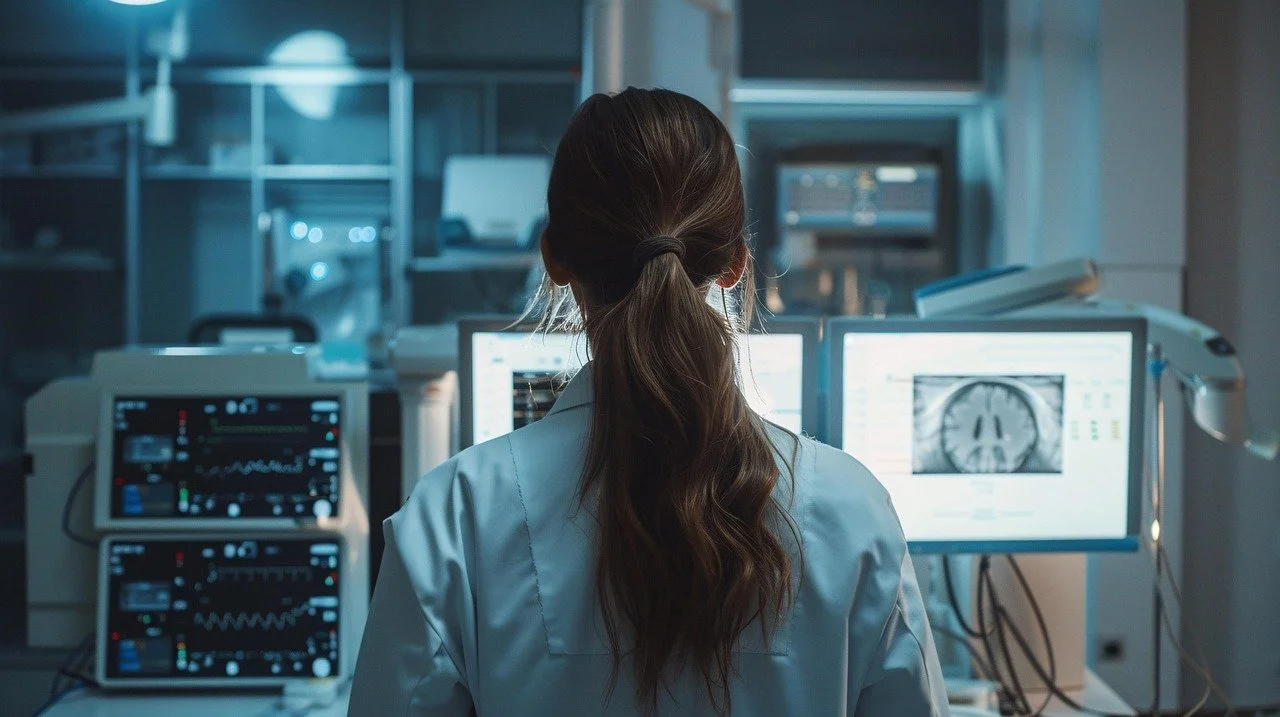
It doesn't matter who you are. The best investment you'll ever make in yourself is developing a health-first mindset.
Ignoring your health only until you start feeling pain is playing roulette with your life. Modern medical imaging services allow us to detect potential problems long before they have a chance to wreak havoc, and catching them early dramatically improves your chances of staying healthy.
That's why learning about diagnostic imaging should be at the top of your to-do list. Here's what you need to know…
What you'll pick up:
Why a Health-First Mindset Is Important
How Advanced Medical Imaging Services Work
The Four Types of Diagnostic Imaging
Why Early Detection Is So Important
Why a Health-First Mindset Is Important
A lot of people treat their health like it's a reactive variable.
They wait until they start feeling pain. They wait until they receive a formal diagnosis. They wait until it's too late to take evasive action.
But if there's anything the past year has taught us, it's that life is too short to not take better care of ourselves.
Most disease conditions don't occur overnight.
Cancer. Diabetes. Heart disease. These things develop slowly over the course of years, even decades. By the time a problem is serious enough to feel, treatment is going to be costly, difficult, and unlikely.
This is why advanced medical imaging services can be so valuable. Finding a suspicious lump with a CT scan in Raleigh or undergoing routine diagnostic testing can reveal hidden health problems before they become severe.
Taking charge of your health before it's too late is the cornerstone of any health-first mindset.
It's like how you should treat your car. You don't wait until your engine seizes up to check the oil. Apply that same philosophy to your body, and you'll start living a lot healthier.
How Advanced Medical Imaging Services Work
Diagnostic imaging allows healthcare professionals to take pictures of the inside of your body.
They can use these images to better identify abnormalities and get a clearer view of whatever condition is being treated. Imaging tech has really started to take off within the last few years.
Radiology businesses have now implemented FDA-approved AI imaging software that allow machines to learn and identify potential issues on their own. Translation: imaging is only going to get more accurate as time goes on.
So how does it help you? Here's the thing.
Early detection saves lives. The better imaging technology gets, the sooner doctors are able to spot potential issues during routine scans. Catching problems early means more effective treatment options and higher survival rates.
The Four Types of Diagnostic Imaging
Don't know your MRI from your X-ray? You're not alone.
There are a lot of different imaging services out there. But don't let that discourage you. By simply understanding the basics, anyone can make informed decisions with their health.
CT Scan
CT scans are a series of X-ray images taken from different angles around your body. Doctors can take these images and assemble them to create cross-sectional slices of your body.
CTs are great for detecting:
Cancer and tumors
Heart disease
Internal injuries
Bone fractures
MRI Scan
MRI scans take detailed pictures of your organs and soft tissues. They utilize magnets and radio waves to produce clear images of your internal body structures.
MRIs are perfect for detecting:
Brain and spinal conditions
Joint and muscle injuries
Organ abnormalities
Unlike CT scans, MRIs don't use radiation. Instead, they use magnetic waves to produce clear pictures.
Ultrasound
Ultrasounds are heavyweights when it comes to imaging. Most people know them for their ability to see pregnant women's unborn babies in real time.
But ultrasounds can also be used to examine the heart, blood vessels, and abdominal organs. They can even detect problems with soft tissue that X-rays might miss.
X-Ray
X-rays are the granddaddy of imaging services. Any hospital you walk into will be able to conduct X-rays.
They're used to help detect fractures and breaks in your bones. X-rays can also be used to check for certain heart and lung conditions like pneumonia.
Not sure what type of scan is right for you? That's okay! At the end of the day, everyone's situation is unique.
If you suspect something is wrong with your body, make sure you speak with a medical professional about your options. A CT scan could end up saving your life.
Why Early Detection Is So Important
Here's the bottom line.
Detecting problems before symptoms appear can save your life. Advanced medical imaging services can be genuinely lifesaving, but why does catching disease early make such a big difference?
Early detection equals more treatment options.
According to the World Health Organization, 30 to 50 percent of cancers can be prevented with early detection and planned intervention. That's HALF of all cancer cases.
Early detection allows doctors to start treatment methods sooner. The sooner treatment begins, the higher the chances of beating whatever disease may be lurking.
Early imaging can also detect:
Heart disease before a heart attack occurs
Aneurysms before they rupture
Organ damage before pain sets in
Bone density loss before a bone breaks
The facts speak for themselves. Patients who get regular health screenings catch problems earlier and have better reactions to treatment.
This doesn't mean getting a scan every time a minor ache or pain pops up. But if that annual checkup has been sitting on the back burner, now is the time to schedule it.
Hindsight is 20/20, but is anyone really comfortable playing the odds with their health?
The cost of a CT scan is nothing compared to the price of treating a serious health condition that could have been caught earlier. And the peace of mind that comes from knowing everything is alright is priceless.
The Role of Technology in Preventive Health
Medical technology is always improving.
AI is already being used to assist doctors in properly diagnosing patient scans. And new forms of medical imaging are being developed every year.
Which means there has never been more access to affordable diagnostic scans than right now.
But you have to want it.
Adopting a health-first mindset starts with taking health seriously. Don't wait until pain shows up to schedule a scan. There's no time like the present to get screened.
Pulling Everything Together
Being proactive with your health starts with a simple choice. Don't wait until you break down to do maintenance on your body. Use advanced medical imaging technology to catch problems before they start.
Here's the cheat sheet:
Get proactive about your health
Learn about the different imaging services available
Use CT, MRI, Ultrasound, and X-Ray technology to catch disease early
Take advantage of new AI technology to stay healthy
Make regular health screenings part of your lifestyle
You have the technology. You have the resources. Now go out there and put your health first.
Related:
