
Eating Grains Smartly: 4 Approaches to Consider
"The transition to grain-based diets during the agricultural revolution led to a decline in human health, as evidenced by reduced stature and increased disease in early farmers."
— Dr. Boyd Eaton
For thousands of years, grains have played a pivotal role in human diets, but are they as harmless as we’ve been led to believe? For 95% of human evolution, grains weren’t part of the picture—our ancestors thrived on meats, fruits, vegetables, and nuts. Then, about 10,000 years ago, agriculture emerged, introducing grains like wheat and barley. Fast forward to the 1990s, and the infamous food pyramid advised us to consume 6-11 servings of grains daily, solidifying their place as dietary staples.
But here’s the catch: what we call "grains" today is often a far cry from the nutrient-dense staples of our ancestors. In the modern diet, refined grains and processed foods now account for 42% of daily calories, contributing to rising rates of Type 2 diabetes, heart disease, and obesity. So, are grains the energy-rich heroes they’re made out to be, or are they fueling the chronic illnesses we can no longer ignore? Let’s explore whether grains should stay—or go—on your plate.
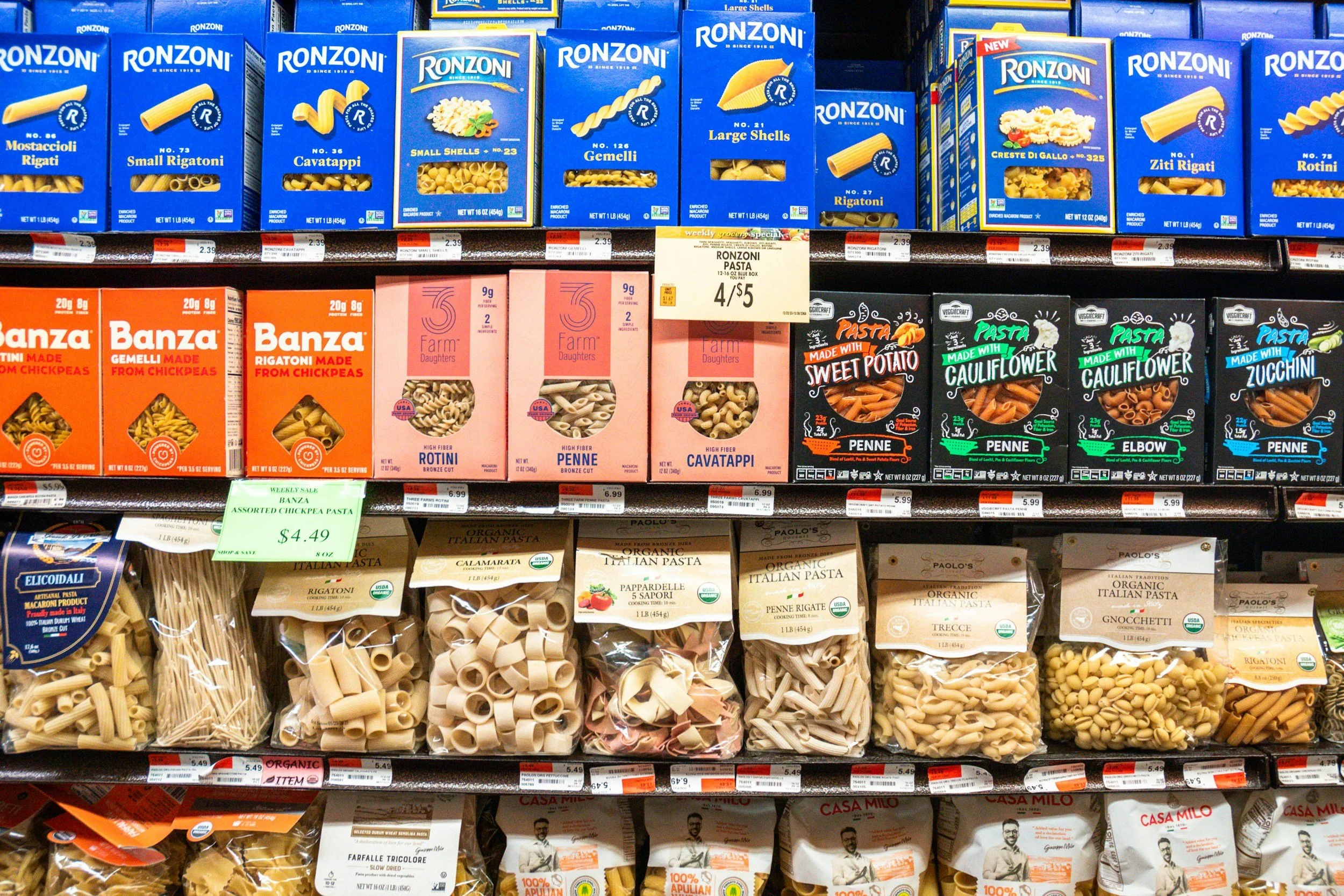
The Grain Guide: How to Navigate Grains for Optimal Health
Option 1: Grain-Free (Total Avoidance)
Should you consider going grain-free? For anyone grappling with chronic conditions like metabolic impairments (such as elevated triglycerides, blood sugar, or cholesterol), arthritis, or leaky gut, a grain-free diet can be a game-changer. It’s also worth exploring as part of an elimination diet if you’re experiencing persistent symptoms like brain fog, acne, fatigue, or unexplained aches and pains, as grains may be a hidden trigger for inflammation. Removing grains, even temporarily, can help pinpoint whether they’re contributing to your issues.
Additionally, if you’re recovering from an injury or managing chronic conditions like diabetes, autoimmune disorders, or general burnout, going grain-free for a trial period can reveal how your body responds without them. By using this approach to reset and evaluate, you may find a clearer path to reducing inflammation, boosting energy, and accelerating recovery.
If you do decide to eliminate grains completely, even for a short stretch of time here’s how to transition successfully:
Do a Two-Week Grain-Free Experiment
Cut all grains from your diet and monitor how you feel—track changes in energy, digestion, skin, and mental clarity.
Consider testing biomarkers like inflammation markers or using a CGM (Continuous Glucose Monitor) to evaluate the impact of going grain-free.
Consider using a nutrition-tracking app to monitor your macronutrients and micronutrients before and after your grain-free elimination trial. This will give you a clearer picture of how your nutritional intake changes. I recommend the app Cronometer, as it stands out for providing comprehensive data on micronutrients, not just macronutrients, ensuring you get a well-rounded analysis of your diet.
Build a Grain-Free Pantry
Stock hearty foods like soups, beef jerky, nuts, cheese, protein bars, or protein powder for smoothies.
Prioritize non-grain carbs like sweet potatoes, squash, plantains, and cauliflower rice.
Master Grain-Free Swaps/Alternatives
Flours: Almond Flour, Coconut Flour, Cassava Flour
Pasta: Lentil Pasta, Chickpea Pasta, Spaghetti Squash
Bread: Coconut Wraps, Almond Tortillas, Lettuce Wraps
Tacos: Grain-Free Tortillas and Grain-Free Taco Shells. (Or put the meat right into a salad like I do.)
Rice: Cauliflower Rice
Chips: Siete Tortilla Chips, Bare Chips (Coconut, Apple, Banana), Sweet Potato Chips
Granola: Grain-Free Granola
Stay Prepared for Social Settings
If eating out or at gatherings, plan by researching the menu beforehand and having a plan. If no one wants that bread in before the meal, send it on back.
Alcohol
Beers, some whiskies, and grain-based vodkas are off the table in a strict grain-free diet. Instead, opt for naturally grain-free options like wine, tequila (made from agave), or rum (made from sugarcane).
For cocktails, ensure mixers are free of added sugars or grain-based ingredients—soda water with a splash of citrus is a better option. If you’re cutting alcohol entirely during your experiment, consider mocktails or sparkling water with fresh herbs and fruit for a festive alternative. Of course, even grain-free alcohol can affect blood sugar and hydration, so moderation is key.
Option 2: Grain Light (Partial Avoidance)
If you’re not ready to eliminate grains entirely but want to reduce their presence in your diet, this partial avoidance strategy offers flexibility while still delivering health benefits. This approach works well for those who generally tolerate grains but want to minimize their impact on blood sugar, inflammation, and digestion. It’s also a sustainable way to strike a balance between enjoying grains during social occasions or family traditions, like pasta dinners or pizza nights, and sticking to nutrient-dense, grain-free meals most of the time. This is the approach I take.
Use the 80/20 Rule
Focus on making at least 80% of your meals grain-free, reserving grains for special occasions or cherished traditions like family pizza nights. When including grains, keep them to no more than 20% of your plate, ensuring the majority of your meal is filled with nutrient-dense foods like vegetables, protein, and healthy fats.
Eat Grain-Heavy Meals Smarter
Minimize glucose spikes, which refined grains are prone to cause, by eating protein first. Other hacks include using vinegar with your meals and moving before and/or after your meals. Learn more about these strategies here.
Eat nutrient-dense meals leading up to grain-heavy dishes. If you follow a low-carb diet, like I do, eat less carbs outside of the meal that includes grains.
Healthier Grain Choices
There is a lot of overlap between option 2 and option 3. Check out the next session for ways to make the most of your choices with grains including how to choose healthier grain options, suggestions for sprouting and fermenting, and more.
Option 3: Smart Grains (Non-Avoidance with Risk Mitigation)
For those who don’t want to eliminate grains but want to minimize their risks, this approach focuses on making smarter choices about the types of grains you consume and how you prepare them. Whole, organic, and properly prepared grains are far less likely to cause spikes in blood sugar, digestive discomfort, or inflammatory responses compared to their refined and processed counterparts. By incorporating preparation methods like soaking, sprouting, or fermenting, you can further enhance their digestibility and nutrient availability.
Choose Healthier Grain Options
Avoid highly processed, refined grains like white bread, instant oatmeal, crackers, bagels, pizza crusts made from white flour, breakfast cereals, tortillas made with refined flour, pastries, pretzels, muffins, granola bars with added sugars and refined grains, croissants, pancakes, waffles, white rice, and breadsticks.
Instead, choose whole, minimally processed grains, including ancient grains. Examples include quinoa, farro, teff, and einkorn wheat are richer in nutrients and lower in glycemic impact.
Opt for healthier versions:
Soaking: Soak grains like rice, oats, and millet overnight to reduce phytic acid and improve digestibility.
How to do it: Rinse the grains thoroughly, then cover them with water in a bowl, adding a splash of acidic medium like lemon juice or apple cider vinegar to enhance the process. Leave the bowl at room temperature for 8–12 hours, then drain and rinse before cooking.
Sprouting: Sprouted grains are easier to digest and have increased bioavailability of nutrients like B vitamins.
How to do it: Rinse them well, soak them in water for 8–12 hours, and then drain. Keep the grains in a jar or sprouting tray, rinsing and draining twice daily until small sprouts appear (usually 1–3 days).
Fermenting: Fermented bread like sourdough contains less gluten and is easier on the gut. When I’m eating any grains and sourdough is an option, I always choose it because of the natural fermentation process it undergoes and the added bonus of being gentler on digestion compared to conventional bread.
Pressure-Cooked: Pressure cooking grains can reduce anti-nutrients like phytic acid and lectins, making them easier to digest and more nutrient-dense.
How to do it: Rinse grains thoroughly to remove impurities, then add them to a pressure cooker with the appropriate amount of water (typically a 1:2 grain-to-water ratio, depending on the grain). Cook under high pressure for the recommended time (e.g., 22 minutes for brown rice, 7 minutes for quinoa). Allow the pressure to release naturally to preserve texture and nutrients. This method shortens cooking time while improving digestibility and reducing gut irritants.
Choose organic options: Eating organic grains helps to avoid glyphosate residues and synthetic pesticides.
Pair Grains with Healthy Foods
Balance every grain-based meal with protein, healthy fats, and fiber to stabilize blood sugar levels.
Examples for how to do this with two of the most common types of grains:
Oats with almond butter, chia seeds, and berries.
Rice with grilled chicken, avocado, and steamed broccoli.
Use Resistant Starch for Gut Health
Cook and cool grains like rice and oats to create resistant starch, which feeds beneficial gut bacteria and lowers the glycemic response. Learn more about optimizing your gut health.
Option 4: Grain Overload (Non-Avoidance, The S.A.D. Diet)
Most people fall into this category, consuming grains as a cornerstone of their daily diet without much thought. From breakfast cereals to sandwich bread and pasta, grains dominate the modern food landscape, making up a significant portion of calories in the Standard American Diet. While convenient and affordable, this grain-heavy approach often leads to overconsumption of refined grains, contributing to blood sugar imbalances, inflammation, and nutrient deficiencies.
Consequences of a Grain-Heavy SAD Diet:
Blood Sugar & Insulin: Refined grains have a high glycemic index, causing blood sugar spikes and increasing the risk of insulin resistance; a Diabetes Care study found that high-glycemic diets raise Type 2 diabetes risk by 21%.
Autoimmune Reactions: Gluten triggers immune responses in 1% of the population with celiac disease, but up to 33% may experience non-celiac gluten sensitivity, leading to symptoms like fatigue, bloating, and inflammation.
Nutrient Absorption and Digestive Issues: Grains contain phytic acid, which binds to minerals and reduces absorption by up to 50%, according to the Journal of Food Science, impacting calcium, magnesium, and zinc levels.
Hormonal Imbalance and Fertility: Refined grains contribute to insulin resistance, which is linked to PCOS, affecting 20% of women and causing fertility issues, as highlighted in Good Energy by Casey Means.
Cognitive Health and Brain Fog: Gluten has been associated with neurodegenerative conditions like schizophrenia and bipolar disorder, with gluten-free diets improving symptoms in many cases, research shows.
Skin Health and Acne: A Journal of the American Academy of Dermatology study found high-glycemic diets increased acne severity by 77%, with grains often being a contributing factor.
Liver Health and Fatty Liver Disease: Refined grains contribute to non-alcoholic fatty liver disease, now affecting nearly 40% of the global population and contributing to a 50% rise in liver transplants over 15 years.
Dental Health and Tooth Decay: Refined grains feed oral bacteria, leading to cavities; Caries Research found diets high in refined carbs caused a 33% higher cavity rate compared to low-carb diets.
Heart Disease: A BMJ study across 21 countries linked eating 350g of refined grains daily to a 27% higher mortality risk and a 33% increased chance of cardiovascular events.
Check out this article for sources and more information on the potential issues with grains.
What I Do
I typically follow the "Grain Light" approach, striking a balance between enjoying grains in small amounts while prioritizing nutrient-dense, grain-free meals. I use the 80/20 rule (typically 95/5 rule), reserving grains for special occasions, and focus on whole, minimally processed options like sourdough bread and organic and gluten-free options when I do indulge. Before a grain-heavy meal, I eat protein and healthy fats to minimize blood sugar spikes and make smart swaps like chickpea pasta or cauliflower pizza crust whenever possible. This approach allows me to enjoy the occasional family pizza night without sacrificing my long-term health goals.
Takeaway
Grains have been a dietary foundation for centuries, but their modern forms can pose significant challenges to health. While not all grains are “bad,” consuming a diet high in refined grains has been shown time and time again to cause serious harm to your health. Whether you choose to eliminate grains entirely, limit them strategically, or focus on smarter preparation methods, there’s a solution tailored to your needs. By listening to your body and experimenting with grain alternatives, you can find a balance that supports your energy, digestion, and long-term well-being.
Related:
