
June 2026

Summer Travel Tips
My wife and I recently came back from a trip in Italy (Livorno, Monterosso, Lake Como, & Milan). It was incredible. Great weather, simple-ish flights and trains, beautiful views and culture, and an opportunity to zoom out, break some routines, and be grateful for where we are in our lives.
There are plenty of takeaways from the trip but I thought I’d go with the practical. So while I’m no travel expert and this is no travel blog, here are some ideas for any upcoming trips you might have this summer, especially longer ones that go beyond the obvious.
Preparation
Foundation Training. If you have a long car ride or flight coming up, I highly recommend doing the 10-minute Foundation Training YouTube video a few times each week in the month leading up to it. It's a simple, sweat-free, equipment-less routine that hits the posterior chain while reinforcing better posture and breathing mechanics.
Organize all of your apps in one spot on your phone. My favorites to use were Google Translate, TripIt, train and taxi apps (used specifically for Italy), a shared Google spreadsheet itinerary (containing travel times/plans/housing), Google Maps, and Strava to find good hikes and runs in the area.
Train for the trip. If you're heading somewhere you'll be walking a lot, start walking more now. Short on time? Add a rucksack to increase the training effect. Visiting a hilly destination? Train hills, use the stepper, and practice walking downhill.
Packing
Fels Naptha Laundry Soap Bar & Stain Remover. Got this suggestion from a neighbor. Her claims of the Fels Naptha being better than a Tide stick and versatile for laundry were proven true on this trip. (Note: it does contain fragrance and synthetic colors, which I typically avoid).
Coffee packs. I'm addicted to coffee, so I brought an IQJOE instant (mushroom) coffee variety pack for mornings when a café wasn't immediately available.
Protein bars. Airport food is expensive and often underwhelming. A variety pack of IQBars healthy protein bars kept my wife and me content during those days and for the unexpected times.
Miscellaneous packing ideas:
Velcro strips to keep cords organized
Extra zip lock bags (dirty clothes, etc.)
Packing cubes. They sacrifice some space (unless you do those air suction ones), but they make it so easy when traveling between cities.
8-in-1 international travel adapter and multi-prong power bank
A resistance band. I did an early morning hike/walk most days where I packed a band in a travel bag. Halfway through I’d pull it out to do a 15-minute workout.
Travel water filter. I didn't even think of this beforehand but I wish I had. Lots of varieties out there.
Tips
Elevate the floor. This goes back to the point above. Your enjoyment of a trip is often limited by your energy level. If you're completely wiped out from the airport, travel day, and sightseeing by Day 2, the rest of the vacation can feel like you're just trying to survive. Raise the floor by improving your baseline fitness before you leave. A few extra weeks of walking, strength training, and conditioning can make a huge difference in how you feel once you're there.
Plane workouts. Plan to get up and move at least every 90 minutes. Standing is good. Walking is better. A quick movement session is best. I usually knock out a couple sets of 25 calf raises, 25 squats, and some extension stretches in the bathroom.
Optimize sleep. Bring a sleep mask, use a white noise app or machine, and be somewhat consistent with your bedtime.
Dive into the time zone adjustment. Your circadian rhythm responds strongly to light, movement, and meal timing. Get outside for morning sunlight, start eating on local time immediately, and stay active during the day. At night, dim the lights and limit blue light exposure from screens to help support melatonin production. A little time outdoors, including walking barefoot on grass or sand if available, can also help you feel more connected to the new environment and speed the adjustment process.
Find a yoga class. You can find them almost anywhere. The language barrier is usually a nonissue, and it's a great way to loosen up after long travel days, recover from all the walking, and experience a small piece of local culture.
Peak-End Theory. Psychologist Daniel Kahneman found that we don't remember experiences by averaging every moment. Instead, we tend to judge them based on the emotional peak and how they ended. Translation: don't stress about making every minute of your trip perfect. Focus on creating a few memorable moments and try to finish the vacation on a high note.
Send postcards. Do as I say, not as I do. We came home with blank postcards for our kids and family. Would have been nice to have them receive them while we were there. Lessons learned.
Happy traveling.
—Brian
P.S. After writing this, I compiled my favorite things into a list on my Amazon Storefront for easier reference.


🥇 Best of the Month
“Never keep more fish than you can eat at one meal, never eat more than you want, never want more than you need, never need more than is reasonable, never be too reasonable about what you love, never love anything so much you love it to death, never destroy what can't be replaced, never think everything can be replaced.”
—Bob Shacochis
🎧 Podcast: The 5 Keys to Better Immunity and a Healthier Gut for You and Your Kids by The Genius Life
📖 Book: One Summer: America 1927 by Bill Bryson
🎁 Product: Purity Coffee. USDA Organic, specialty-grade coffee sourced from regenerative farms, third-party tested for mold, mycotoxins, pesticides, heavy metals, and other contaminants, and roasted to maximize antioxidants without additives or artificial ingredients. Plus, it tastes great. What else do you need? Oh yeah, get 20% off using “MINDBODYDAD” at checkout.
❓ Question of the Month
Q: What's the difference between food allergies, intolerances, and sensitivities?
Food allergies involve your immune system. Even a tiny amount of a food can trigger symptoms like hives, swelling, wheezing, or even life-threatening anaphylaxis. About 33 million Americans have at least one food allergy, including roughly 11% of adults and 8% of children (about 1 in 13 kids).
Food intolerances do not involve the immune system. They're usually caused by difficulty digesting a food, such as lactose intolerance. Symptoms are typically bloating, gas, stomach pain, or diarrhea and often depend on how much you eat.
Food sensitivities are less clearly defined. They may cause symptoms like headaches, fatigue, brain fog, joint pain, or digestive issues, but there is no universally accepted test to diagnose them.
Do this: If you suspect a true food allergy, see an allergist. Skin prick tests, blood tests, and oral food challenges can help make a diagnosis. For suspected food sensitivities, be cautious with at home IgG tests. Major allergy organizations do not recommend them because they often identify normal food exposure rather than a problem. Instead, keep a food and symptom journal and consider a structured elimination diet with guidance from a qualified healthcare professional.
⏱️ Brutal by Design
Hinge & Burn
Purpose: Build posterior chain strength and endurance through hip-dominant movement
Equipment: Dumbbells or resistance band
Workout (4 rounds):
Hip Hinge (band or DB): x15 reps
Single-Leg Deadlift (DB): x10/leg
Reverse Lunge with Forward Lean: x10/leg
Superman Hold with Arm Pulses: 3x30 sec
Optional Misery: Add a 3-sec pause at the bottom of each rep. Final sets to failure.
💡 Things I’ve Learned
🧠 Mind
Fish for Your Brain
A meta analysis of 44 studies involving more than 364,000 people found that higher fish consumption was associated with a 21% lower risk of depression. Researchers also found a dose response relationship, with every additional half ounce of fish per day linked to a 6% lower depression risk.
Do this: Aim for 2 to 4 servings of fish per week, focusing on options like salmon, sardines, trout, and herring.
The Supplement Getting Attention for Cognitive Longevity
A 2024 critical review of human studies examined astaxanthin, a potent antioxidant found in salmon, shrimp, krill, and algae, and found evidence that it may improve aspects of memory, response time, and cognitive function while potentially slowing neurodegeneration. Most studies used doses ranging from 4 to 12 mg per day, though the authors noted that many trials were small and additional high quality human research is needed.
Do this: Eat more astaxanthin rich foods such as wild salmon and shellfish, then consider supplementation if you're looking to optimize long term brain health.
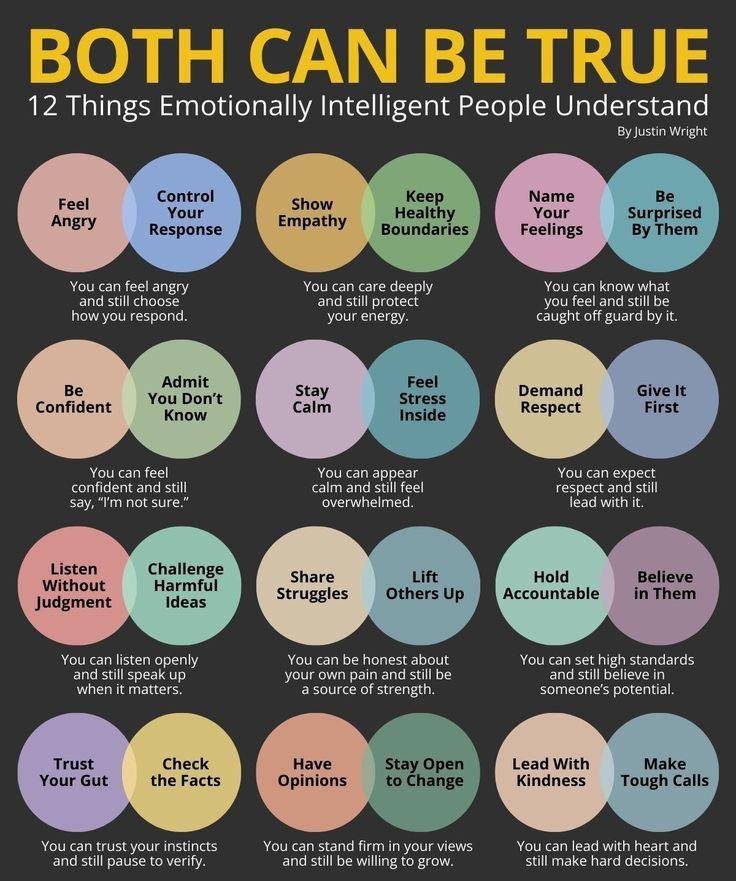
Both Can Be True
Great visual for a world that seems so black and white sometimes.
💪 Body
One More Reason Not to Skip Leg Day
In this study of more than 1,500 older adults, those with greater lower body strength performed better on cognitive testing and had a 34% lower likelihood of poor cognitive function. Interestingly, this relationship remained even after accounting for age, aerobic exercise, and strength training participation.
Do this: Don't overlook lower body strength. It doens't need to be crazy but it needs to be. Squats, step ups, lunges, and sit to stands all work.
What Actually Makes You Stronger?
A 2023 review in the Journal of Strength and Conditioning Research examined the key drivers of strength gains and concluded that strength is built through a combination of maximal effort, forceful muscle contractions, full range of motion training, and adequate recovery. The authors also found that heavier loads (typically allowing 1 to 5 reps), 2 to 3 sets per exercise, and starting sets in a relatively fresh state appear to maximize long term strength development. The review also highlighted emerging strategies such as eccentric overload training, blood flow restriction, and motor imagery as potential tools for enhancing strength gains.
Do this: Train with intent. Focus on high quality reps, full range of motion, and maximizing effort rather than simply adding more exercises or volume.
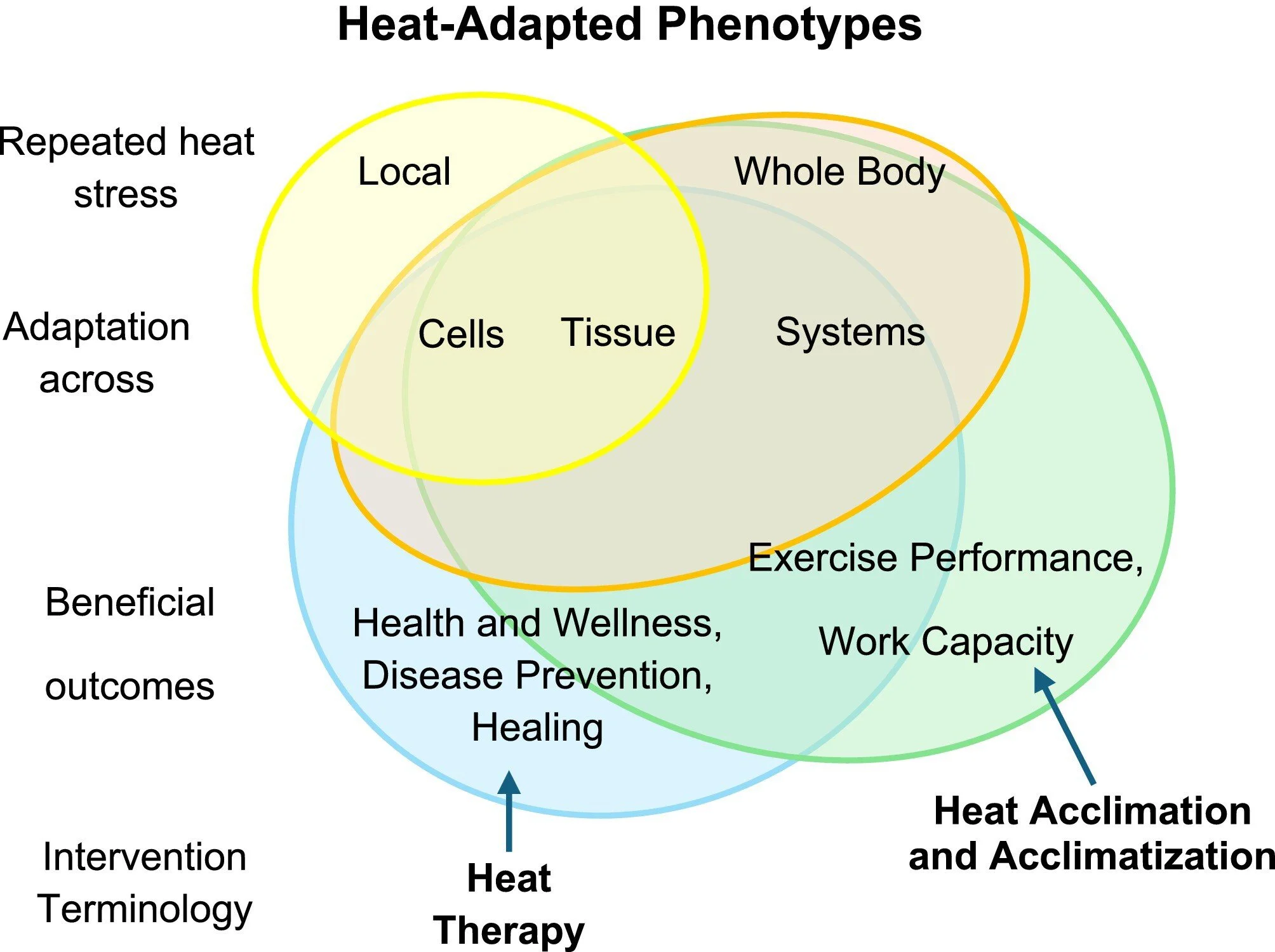
Heat Therapy Continues to Build a Strong Case for Better Health
A 2026 comprehensive review of heat therapy research found benefits across cardiovascular, metabolic, muscular, and neurological health, with some effects resembling those seen with exercise. The authors noted consistent evidence for improvements in blood pressure, vascular function, insulin sensitivity, inflammation, and physical function, particularly among older adults and individuals with chronic disease. Many of the benefits are dose dependent too.
Do this: If it's safe for you medically, aim for 2 to 4 sauna sessions per week and think of it as an addition to exercise, not a replacement.
🎯 Dad
One Simple Change Cut NICU Stays by 4 Days
In this study, premature infants exposed to darkness at night through the use of eye masks left the hospital a median of 4 days earlier than infants receiving standard care. The intervention also improved daily heart rate rhythms, suggesting that even newborns benefit from a clearer distinction between day and night.
Do this: Make your bedroom as dark as possible after sunset. Consistent light and dark cycles help support sleep, recovery, and circadian health at every age.
The Mental Health Cost of Not Taking Enough Leave
Researchers found that fathers who were unable to take the amount of leave they needed had 3.2 times higher odds of depression symptoms and 3.1 times higher odds of anxiety symptoms. Financial barriers were the most commonly reported obstacle and were present in roughly 75% of fathers reporting depression symptoms.
Do this: Advocate for paid family leave policies at work and take advantage of available benefits when possible. The return on investment may extend far beyond income replacement.
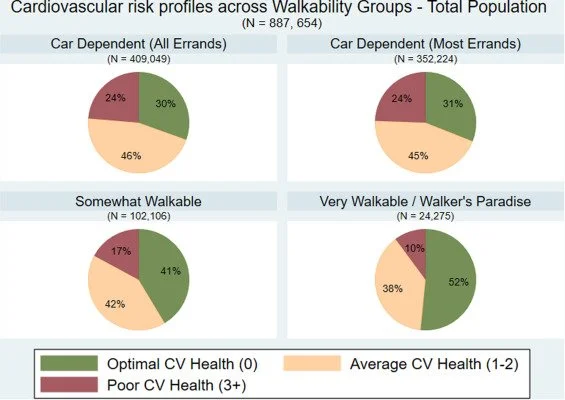
Your Neighborhood May Be Affecting Your Heart Health
A study of nearly 888,000 adults in the Houston Methodist health system found that people living in the most walkable neighborhoods had significantly lower rates of hypertension, diabetes, obesity, dyslipidemia, and smoking. After adjusting for demographics and socioeconomic factors, residents of the most walkable neighborhoods were nearly 3 times more likely to have an optimal cardiovascular risk profile than those living in the least walkable areas.
Do this: Look for opportunities to build more walking into your daily routine, whether that's walking to nearby destinations, taking walking meetings, or choosing neighborhoods and routes that make walking easier.
Like this newsletter? Check out previous monthly newsletters.
P.S. Help me bring health and happiness to more people--share this link with your friends and family so they can also learn awesome stuff.
