
July 2026

Be Less Normal
We tend to think "normal" means healthy. It doesn't. It usually just means common.
Take HbA1c, for example. The average American adult has an HbA1c of around 5.6%, while prediabetes begins at 5.7%. In other words, the average person is already just a fraction of a percentage point away from being classified as prediabetic. This is why functional medicine blood ranges are important.
The same idea applies far beyond blood work. When you zoom out and look at our collective habits, average isn't exactly aspirational.
We're wired to fit in and be “normal” because, for most of human history, being different carried real risks. Today, though, following the crowd often means following the same habits that contribute to chronic disease, stress, dissatisfaction, and a poor quality of life.
So, it's worth asking yourself two questions:
What is normal?
Do you want to be normal?
To answer the first question, I’ll give a list of questions provided by George Mack during an interview on a recent podcast:
Normal consumes 17 teaspoons of sugar per day
Normal has $104,755 in debt
Normal is 30 pounds overweight
Normal’s average is less than 4,000 steps per day
Normal spends 90,000 hours of their life at work disengaged
Normal stays indoors for 22.3 hours per day
Normal spends more time on the toilet than exercising
Normal hasn't finished a book in the last 12 months
Normal experiences under 10 minutes per day in silence
Normal will spend 20 years of their life watching TV or scrolling social media
Maybe you’re not “normal” with any of the above, but how many standard deviations away are you?
While there were a bunch of surprises on there overall, the one that I am most aligned with is the silence stat. I had a great habit of meditating but it’s not even close to a streak at this point. Even silent walks are a thing of the past since I default to audiobooks, podcasts, and music to fill my ears at the slightest hint of quiet.
So, this list has forced me to reflect and now make a conscious effort to spend more time in silence and see where it leads.
Where will you be less normal?
Brian
🏆 Stuff of the Month
🖋️ Articles
Pediatric Pelvic Floor Therapy: An Expert Q&A with Amanda Mathers
The Minimum Effective Dose of Exercise: A Practical Weekly Schedule
The Psychology of Status—and Why It Matters More Than You Think
🎙️ The Growth Kit (Podcast)
Full list of episodes here. Subscribe to your favorite podcast player (Spotify, Apple).


🥇 Best of the Month
“Money is a great servant but a horrible master.”
—Francis Bacon
🎧 Podcast: 10 Habits of the Happiest Retirees by Retire Sooner with Wes Moss
📖 Book: Freedom by Sebastian Junger
🎁 Product: The Evercool Comforter by Rest
❓ Question of the Month
Q: Is fasting cardio more effective for fat loss?
Fasted cardio can increase fat oxidation during the workout, but that does not automatically translate into greater body fat loss over time. Multiple systematic reviews and meta-analyses have found that when calories and protein are matched, exercising in a fasted versus fed state produces similar reductions in body fat. The primary driver of fat loss remains maintaining a sustained caloric deficit rather than whether you eat before your workout.
For some people, training before breakfast simply fits life better and improves long term consistency. That's the case for me, especially with easy Zone 2 sessions. Fasted aerobic exercise shifts substrate utilization toward greater fat oxidation and may improve metabolic flexibility. Once intensity climbs, though, muscle glycogen becomes the primary fuel source, so eating beforehand can improve power output, training volume, and recovery. If you're training twice within about 8 hours, replenishing glycogen after the first session becomes much more important.
Do this: Choose the approach that helps you train consistently. If fasted cardio feels good and fits your schedule, there is no reason to avoid it. If your workouts are high-intensity or performance-focused, consider eating beforehand to maximize training quality.
⏱️ Brutal by Design
Spartan Ready
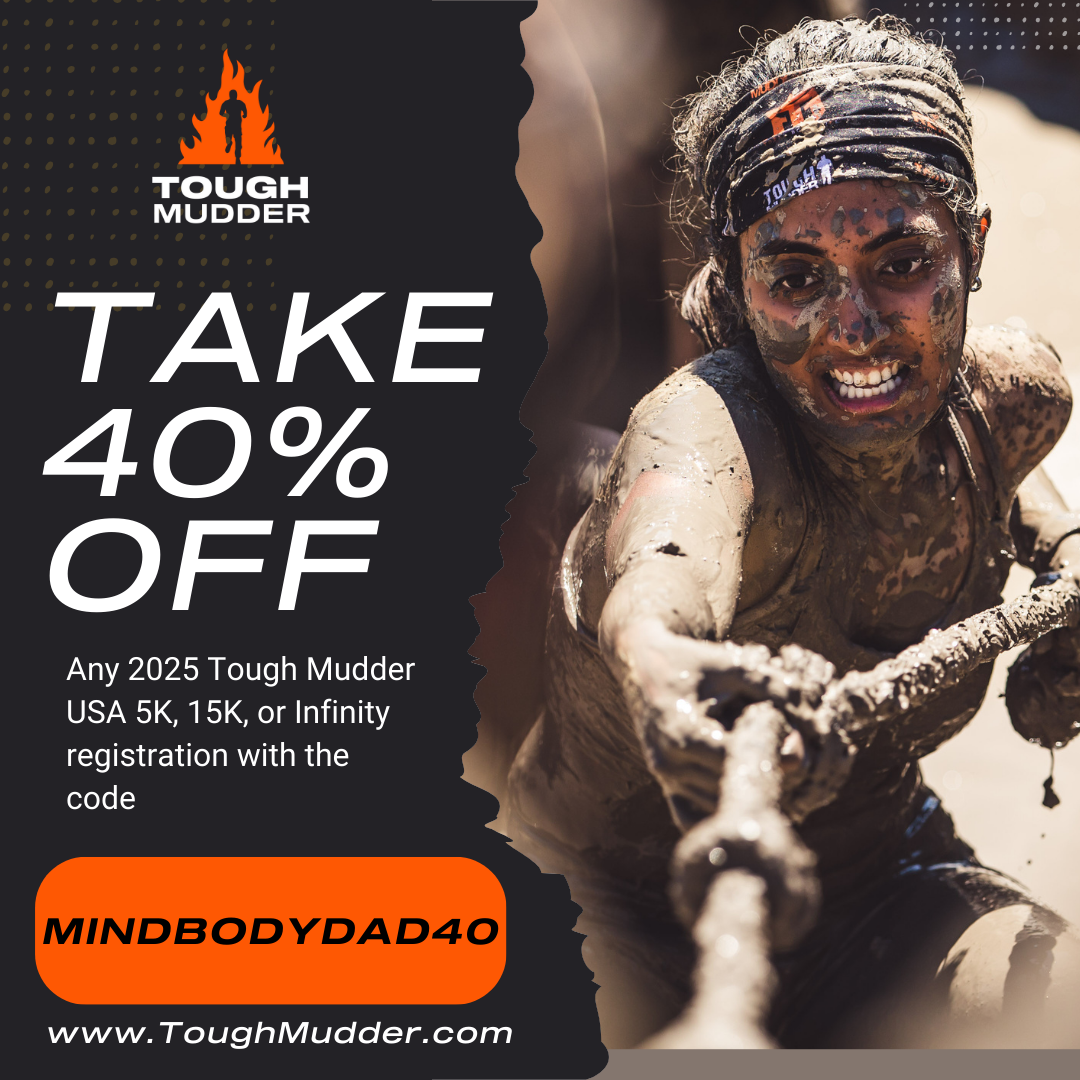
I have the Philly Spartan Stadion race coming up in a month. Interested in doing one here? Use the promo code MINDBODYDAD40 for 40% off.
Here’s what I’m doing to prepare.
Purpose: Prepare for a Spartan Stadion focused on stairs, carries, obstacle transitions, and fatigue resistance.
Workout (4 rounds):
3 minutes StairMaster or stair running at a challenging pace
15 box jumps or step-ups with knee drive
20 walking sandbag carry steps (50 to 60 lb) or heavy bear hug carry
10 burpees
15 weighted slam ball slams
40 mountain climbers (20 each side)
Optional Misery: Grab a heavy sandbag and throw it over your shoulder as you walk uphill.
💡 Things I’ve Learned
🧠 Mind
Could Meat Be More Important If You Carry the Alzheimer's Gene?
About 25% of people carry at least one APOE ε4 allele, the strongest common genetic risk factor for Alzheimer's disease. In this 15-year study of more than 2,100 older adults, those with the APOE ε4 variant who ate the most meat had a 55% lower risk of dementia than those who ate the least. Researchers found no similar benefit in people without the variant. Processed meat, on the other hand, was associated with a higher dementia risk regardless of genetics.
Do this: If you know you carry the APOE ε4 gene, this study suggests that including adequate unprocessed protein sources, including meat, may deserve more attention. Regardless of genetics, keep processed meats to a minimum.
The Attention Economy Is Winning
Americans are now more likely to place a gambling bet than read a single book. Last year, 57% placed a bet, while only 38% read a novel or short story. Reading for pleasure has also dropped from 28% of adults in 2004 to just 16% in 2023. To make things more concerning, a study of more than 700,000 online gamblers found that 96% lost money, while only 4% came out ahead. Books strengthen attention, vocabulary, empathy, and cognitive reserve. Gambling is designed to capture your attention. Reading trains you to control it.
Do this: Replace just 10 minutes of scrolling or sports betting with 10 minutes of reading each day. Here’s a great book list to start with.
Your Netflix Queue Is a Personality Test
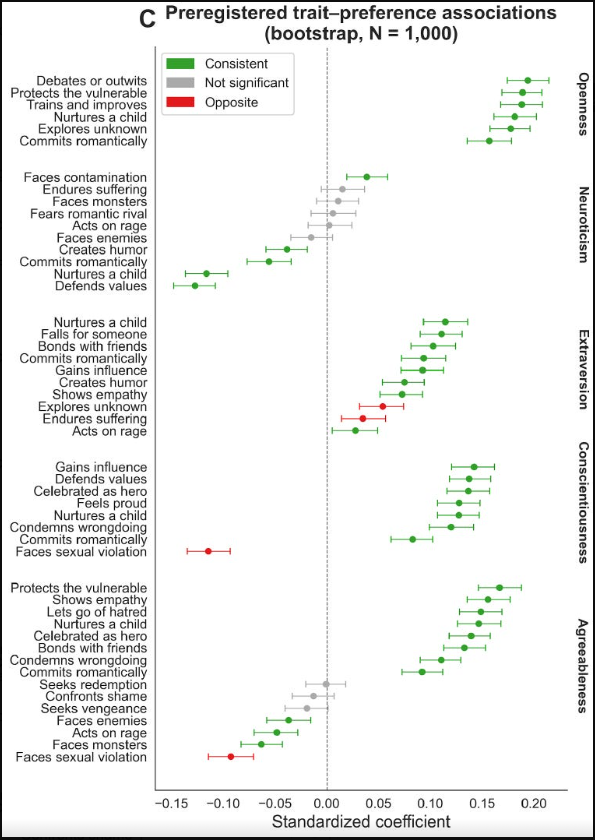
Researchers surveyed more than 9,200 people across 23 countries and found that personality traits consistently predicted the types of stories people enjoy. Rather than preferring a specific genre, people tended to gravitate toward themes that matched their personalities.
Openness: Exploration, discovery, and thought-provoking ideas (sci fi, fantasy, indie).
Conscientiousness: Justice, responsibility, and doing the right thing (historical, legal, war).
Extraversion: Friendship, romance, family, and teamwork (rom coms, comedies, family).
Agreeableness: Kindness, empathy, and uplifting characters (family, animation, feel-good dramas).
Neuroticism: Suspense, danger, and emotionally intense stories (thrillers, psychological dramas, survival).
💪 Body
Can a Multivitamin Slow Aging?
In a randomized trial of 958 older adults, those who took a daily multivitamin for 2 years aged about 4 months less biologically than the placebo group. The biggest benefit was seen in participants who were aging faster at the start of the study. Researchers emphasized this doesn't mean you'll live 4 months longer, only that your cells may age more slowly.
Do this: Don't chase a single anti-aging supplement. Prioritize the big rocks first: strength training, regular exercise, quality sleep, adequate protein, and a nutrient-rich diet. Then, consider a multivitamin as insurance to fill in the gaps. I’m a believer in high-quality vitamins. Read more about what I use here.
Ankle Sprains: The Guidelines Have Changed
Ankle sprains are one of the most common musculoskeletal injuries, and up to 40% of people go on to develop chronic ankle instability with repeated sprains and a persistent feeling that the ankle "gives way." A new international consensus statement reviewed 194 studies to update the best evidence on how ankle sprains should be evaluated and treated.
New Recommendations
Start rehab early. Movement beats prolonged rest.
RICE is no longer the primary treatment.
Choose a brace over prolonged immobilization.
Limit NSAIDs to symptom relief when appropriate.
Save surgery for persistent instability after rehab.
Still Recommended
Rule out fractures with the Ottawa Ankle Rules.
Short term immobilization may help severe sprains.
Prioritize strength, balance, and proprioception.
Finish rehab, even after the pain is gone.
Focus on preventing the next sprain, not just treating this one.
HIIT Has One Big Advantage
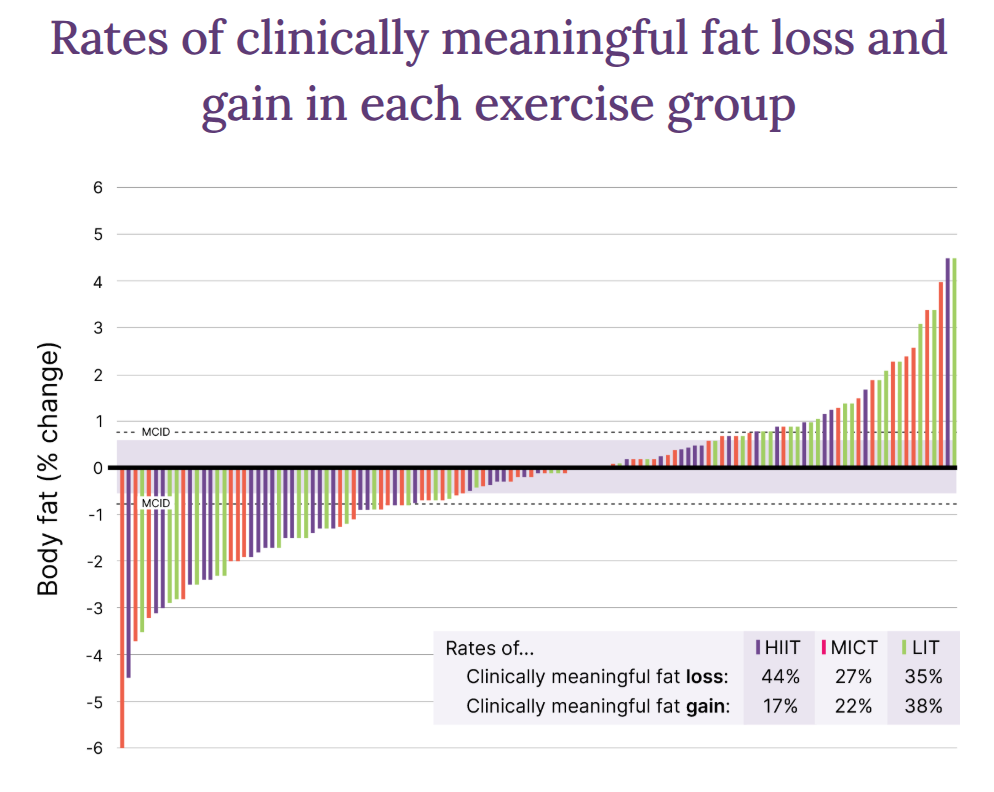
Researchers followed 123 adults ages 65 to 85 who exercised 3 times per week for 6 months. Both HIIT and moderate intensity exercise reduced body fat by about 1 -2 pounds on average. The difference? Only the HIIT group maintained their muscle mass, while the moderate-intensity group lost lean tissue along with fat.
Do this: Don’t default to cardio. If you're already walking or cycling regularly, replace one session each week with the Norwegian 4×4 protocol: four 4-minute hard efforts separated by recovery periods.
🎯 Dad
Even Orangutans Have Playdates
A 15-year study involving nearly 30,000 hours of observation found that orangutan mothers intentionally traveled so their offspring could spend time playing with other young orangutans, even though it meant walking farther and spending less time feeding themselves.
Do this: Our closest relatives are willing to sacrifice time and energy so their young can play. Consider that the next time you're tempted to fill every afternoon with another activity.
10 Lessons Every Sports Parent Should Know
A classic article by Stephen Borelli featuring renowned performance coach Tom House, who provides 10 key points for parents of young athletes:
Let your kids fail. Failure is part of learning. Focus on what happened and how they can improve rather than protecting them from mistakes.
Emphasize the joy of playing, not winning. Kids perform and stay involved longer when sports remain fun instead of outcome-focused.
The "power of play" extends athletic careers. Athletes who genuinely enjoy their sport are more likely to stay engaged and continue performing at a high level.
Parents shouldn't be the primary coach. Love your child as a parent and let qualified coaches handle most of the technical instruction.
Avoid coaching from the sidelines. Constant instructions during games interfere with focus and can make kids lose interest in sports.
Don't expect early stars. Most elite athletes develop later. Children grow and mature at different rates.
Encourage multiple sports. Diverse movement patterns build athleticism, support neuroplasticity, and may reduce injury risk compared with early specialization.
Prioritize sleep. Good sleep habits, including a dark, cool room and consistent sleep duration, support recovery and performance.
Develop skills, not just speed. Whether pitching or playing another sport, technique and decision-making matter more than simply maximizing power or velocity.
Keep expectations realistic. Your role is to help your child enjoy the experience, grow, and become the best version of themselves, not to chase professional sports dreams.
Your Kids' Hearing Is More Fragile Than You Think
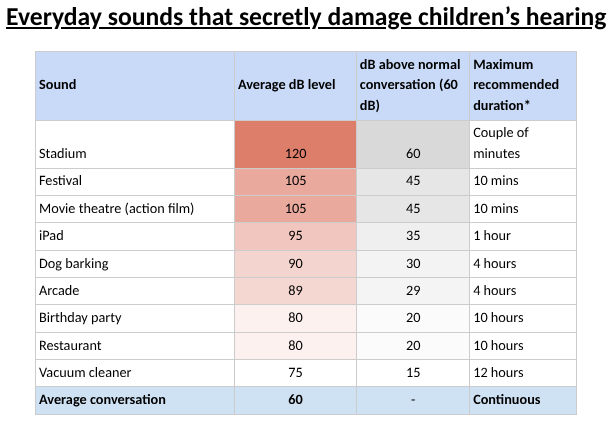
Only about 1 in 500 children are born with detectable hearing loss, according to Alpine Hearing Protection, yet by adolescence and adulthood, roughly 1 in 8 Americans have hearing loss in both ears. That dramatic difference highlights how much of our hearing health is shaped by the environments we're exposed to over time. The tiny hair cells inside the inner ear do not regenerate once they're damaged, making prevention far easier than treatment.
Do this: Keep hearing protection handy for concerts, sporting events, fireworks, lawn equipment, and other noisy activities. Reducing repeated exposure matters just as much as avoiding extremely loud sounds.
Like this newsletter? Check out previous monthly newsletters.
P.S. Help me bring health and happiness to more people--share this link with your friends and family so they can also learn awesome stuff.
